 Pin this
 The first time I made chermoula, I was standing in a cramped Marrakech market at dawn, watching a vendor crush cilantro and garlic with the confidence of someone who'd done it ten thousand times. He caught me staring and laughed, pressing a sample of his marinade into my palm on a piece of warm bread. That single bite—bright, garlicky, alive with lemon—changed how I thought about seasoning fish. Now whenever I make it at home, I chase that same feeling of discovery.
I served this to friends on a Friday night when my kitchen smelled like pure North Africa—that intoxicating blend of cumin and cilantro hanging in the air. Someone asked if I'd made it complicated, and I realized then that the best cooking doesn't have to be. Ten minutes of chopping gave me hours of feeling like I'd pulled off something special.
Ingredients
- Fresh cilantro, 1 cup packed: This is the backbone of chermoula; don't skimp or substitute. Cilantro's slightly peppery bite is what makes the marinade sing, so use leaves that still smell green and alive.
- Fresh flat-leaf parsley, ½ cup packed: Parsley softens the cilantro's intensity and adds an herbaceous earthiness that rounds out the flavor profile beautifully.
- Garlic, 4 cloves minced: Raw garlic gives the marinade its assertive punch; mince it finely so every bite carries that sharp, aromatic heat.
- Shallot, 1 small finely minced (optional): If you include it, the shallot adds a whisper of sweetness and mellows the garlic's edge, but it's truly optional.
- Lemon, zest and juice of 1 large: The acidity is crucial—it brightens everything and helps the marinade penetrate the fish. Use fresh lemon, never bottled juice.
- Ground cumin, 2 tsp: Cumin's warmth ties the whole thing together; it's the spice that makes you taste Morocco in every bite.
- Sweet paprika, 1½ tsp: This adds color and a gentle, fruity sweetness that balances the garlic and lemon without overpowering them.
- Ground coriander, 1 tsp: Coriander brings a subtle citrusy note that echoes the lemon and prevents the spice blend from feeling one-dimensional.
- Cayenne pepper, ½ tsp adjusted to taste: This is where you control the heat; start with half a teaspoon and adjust upward if you love spice, or reduce it to almost nothing if you prefer mild.
- Black pepper, ½ tsp ground: Fresh ground pepper adds a quiet bite that deepens the overall flavor rather than just adding burn.
- Extra-virgin olive oil, ½ cup: Quality matters here since the oil carries so much flavor; use an oil you love eating plain, not cooking oil.
- Sea salt, 1½ tsp: Salt isn't just seasoning—it draws moisture from the herbs and helps them release their oils, creating the paste texture that clings to fish.
Tired of Takeout? 🥡
Get 10 meals you can make faster than delivery arrives. Seriously.
One email. No spam. Unsubscribe anytime.
Instructions
- Gather your fresh herbs:
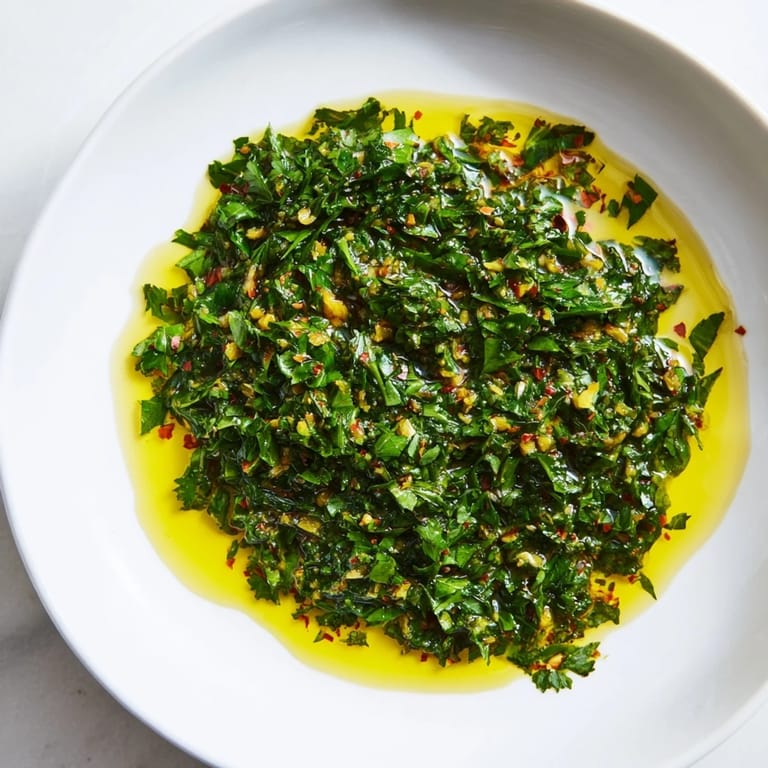
- Roughly chop your cilantro and parsley first, then go back and mince them finely. I like to do this on a cutting board with a sharp knife rather than a food processor at this stage—you'll feel more in control and the herbs will stay brighter.
- Combine the herbs and aromatics:
- In a medium bowl, toss together the cilantro, parsley, minced garlic, and shallot if using. Smell it—you should already be getting excited about what's coming next.
- Add your citrus:
- Microplane or zest the lemon directly into the bowl, then squeeze in the juice. The zest adds tiny bursts of concentrated lemon oil that juice alone can't deliver.
- Sprinkle in the spices:
- Add the cumin, paprika, coriander, cayenne, and black pepper all at once. This is the moment the marinade transforms from herbs and citrus into something unmistakably Moroccan.
- Pour in the olive oil:
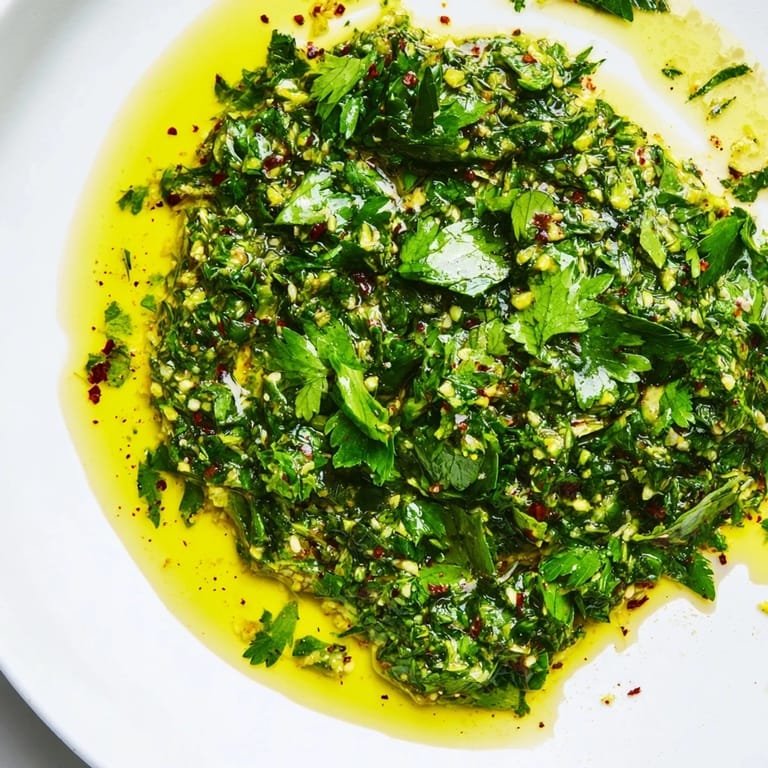
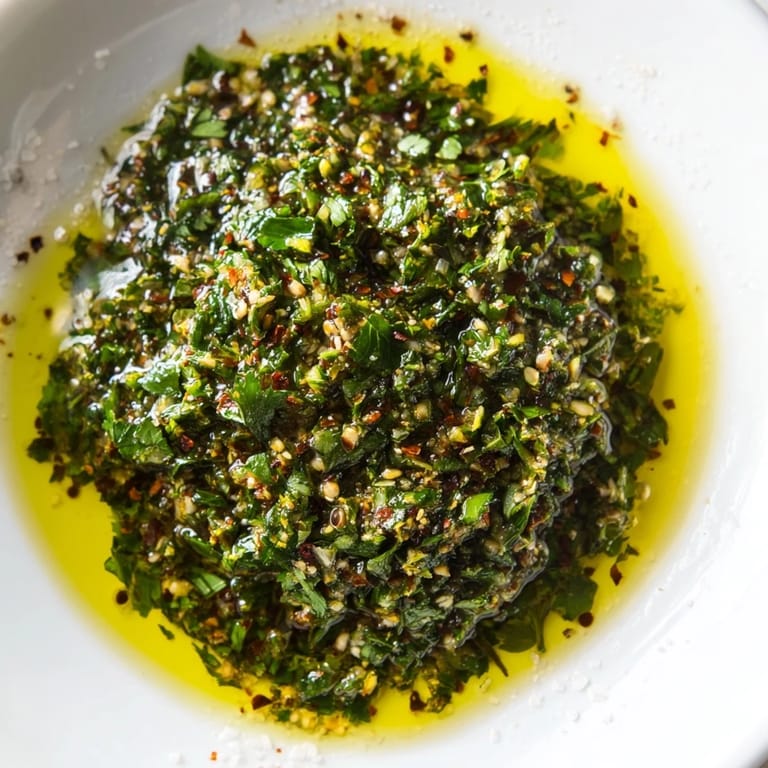
- Drizzle in the oil slowly while stirring so it distributes evenly and helps bind everything into a thick, fragrant paste. The mixture should look verdant and substantial, not loose and soupy.
- Season and taste:
- Sprinkle the sea salt over everything and mix thoroughly. Now taste it on a piece of bread or on your fingertip—this is your chance to adjust the lemon, salt, or cayenne before it touches your fish.
 Pin this
 There's a moment when you coat a piece of fish in this marinade and it glistens back at you, fragrant and alive, when you realize that you're not just preparing dinner—you're honoring something ancient and real about how humans have flavored food in North Africa for centuries. That matters.
How to Use It
Spread this marinade generously over your fish—whether you're working with delicate fillets like snapper or cod, or heartier whole fish like sea bass. Press it into every crevice, coat the skin if it has it, and let it rest in the refrigerator for at least 30 minutes and up to 2 hours. The acid from the lemon will gently cure the surface while the aromatics infuse deep into the flesh. When you're ready to cook, the fish will emerge tasting of garlic, cilantro, and warmth.
Beyond Fish
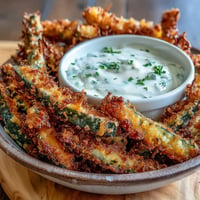
Chermoula isn't limited to seafood, though that's its classic home. I've marinated chicken thighs in this and roasted them until the edges caramelize and the kitchen fills with woodsmoke and spice. Toss it with roasted vegetables—especially zucchini, eggplant, or bell peppers—and you get something that tastes like Morocco in every bite. It also works as a finishing sauce drizzled over couscous or spread onto warm flatbread alongside hummus and olives.
A Note on Heat and Balance
Chermoula should feel warm and inviting, not aggressive, so the cayenne pepper is genuinely optional and adjustable. I started making this recipe too spicy because I was intimidated by the word Moroccan, imagining I needed to prove something. Now I dial it back and let the cumin and cilantro lead while the cayenne just whispers in the background. Trust your own palate.
- Taste as you go and remember you can always add more heat but can't take it out.
- Fresh cilantro quality makes all the difference—if yours smells faintly sulfurous or wilted, your chermoula will too.
- Keep this marinade in the refrigerator and use it within a day for the brightest, most vibrant flavor.
 Pin this
 Chermoula reminds me that the simplest recipes are often the most honest. Ten minutes of work, a handful of fresh ingredients, and suddenly your kitchen smells like an adventure.
Recipe Questions
- → What ingredients create the base of this marinade?
Fresh cilantro, parsley, garlic, and lemon juice form the vibrant base of this blend.
- → How can the spice level be adjusted?
Reducing or omitting the cayenne pepper softens the marinade’s heat while maintaining its flavor.
- → Can this mixture be used with other foods besides fish?
Yes, it complements chicken and vegetables beautifully, adding bold, aromatic notes.
- → What is the best method to achieve a smoother texture?
Blending the ingredients in a food processor ensures a finer, more uniform paste.
- → How long should the marinade be left on before cooking?
Allow the mixture to soak for 30 minutes to 2 hours to fully infuse flavors.
- → What dishes pair well with this marinade?
Moroccan couscous and a crisp white wine like Sauvignon Blanc enhance the meal experience.