 Pin this
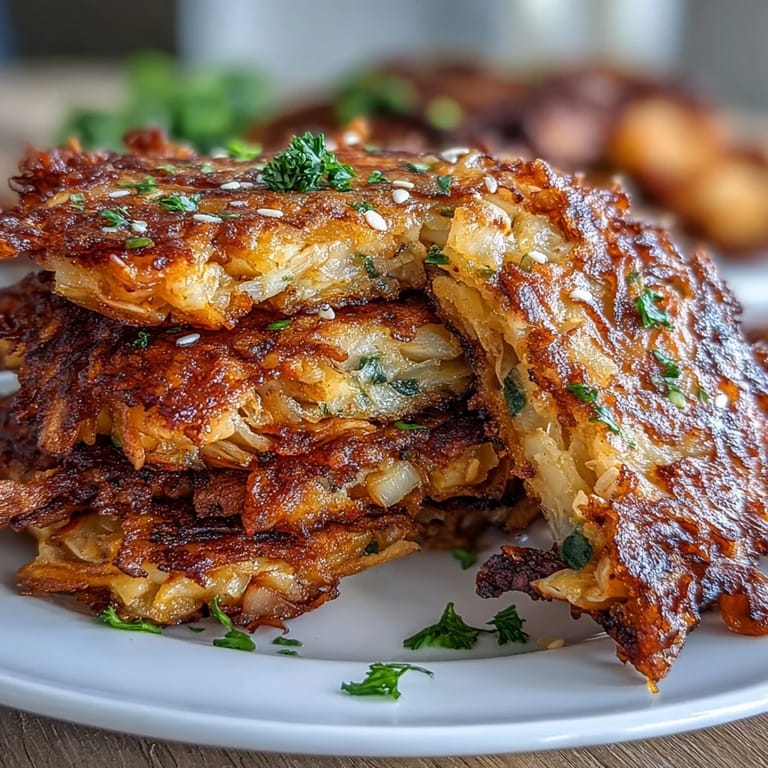
 When I first tried making kimchi pancakes, it was a breezy Sunday, and the smell of sizzling cabbage and spicy kimchi wafted through my open kitchen window. The steady sizzle kept me company, and I found myself grinning each time a golden edge crisped up. I didn't set out to impress anyone, but the result was so rewarding, I ended up texting a photo to my sister. She immediately demanded the recipe before she’d even finished breakfast. There’s just something playful about mixing up a modest batter and watching humble vegetables transform into such a punchy, flavorful treat.
I once made a double batch for a rooftop picnic, nervously hoping they'd stay crisp in the walk over. When we opened the container, the savory aroma lured over neighboring picnickers, sparking a friendly exchange about favorite quirky snacks. Someone joked that the dipping sauce should be bottled and sold, and I’ll admit, I couldn’t stop dunking the wedges in myself. There was laughter and plenty of napkins passed around as everyone tried to guess the secret to the crunch.
Ingredients
- 1 cup napa cabbage, thinly sliced: The fresh crunch of napa cabbage makes each bite bright; slice it thin for fast, even cooking.
- 1 cup kimchi, chopped and drained: Funky, spicy, and perfectly tangy kimchi brings the pancakes to life—squeeze out excess juice so the batter stays crisp.
- 2 green onions, thinly sliced: The green onions lend a gentle sharpness; I like to sprinkle a few on top as well for a pop of color.
- 1 cup all-purpose flour: Always sift if you can—it keeps the batter lighter and helps avoid lumps.
- 2 tablespoons cornstarch: This is the crunch booster; even a little makes a big difference to the texture.
- 1 teaspoon baking powder: Gives just enough lift so the pancakes aren’t stodgy but still manage that satisfying chew.
- 1/2 teaspoon salt: Taste the kimchi first and adjust if it’s very salty; you can always add, but you can’t take away.
- 1/4 teaspoon ground black pepper: A subtle bit of warmth that ties the vegetables and batter together.
- 3/4 cup cold water: I learned to use icy water for the crispiest edges—just pop some in the fridge before starting.
- 1 large egg: The egg binds it all, but you can swap for a flax egg for a vegan version.
- 2 tablespoons soy sauce (for sauce): Adds depth—taste and use gluten-free soy sauce if needed.
- 1 tablespoon rice vinegar (for sauce): A soft tang that balances the savory notes—don’t skip it.
- 1 teaspoon sesame oil (for sauce): The fragrance alone is worth it; drizzle just before serving.
- 1 teaspoon sugar (for sauce): Just enough sweetness to round out the sharpness of kimchi and vinegar.
- 1 teaspoon toasted sesame seeds (for sauce): Extra nutty flavor and a little crunch; toast gently for best flavor.
- 1 small garlic clove, minced (for sauce): Finely minced keeps it from overpowering—don’t be tempted to use more.
- 1/2 teaspoon Korean red pepper flakes, gochugaru, optional (for sauce): For those who love heat—start with a small pinch and add to taste.
- 3 tablespoons vegetable oil, divided: Keep oil hot and replenish between batches for gorgeous golden pancakes.
Tired of Takeout? 🥡
Get 10 meals you can make faster than delivery arrives. Seriously.
One email. No spam. Unsubscribe anytime.
Instructions
- Mix the batter:
- In a large bowl, whisk together flour, cornstarch, baking powder, salt, and black pepper. Slowly add cold water and the egg, stirring gently until just combined—the batter should still be a bit lumpy.
- Add the veggies:
- Fold in sliced cabbage, drained kimchi, and green onions until everything is evenly coated, making sure the kimchi is well distributed for flavor in every bite.
- Heat up the skillet:
- Warm 1 tablespoon of oil over medium-high heat until it lightly shimmers, but isn’t smoking.
- Cook the pancakes:
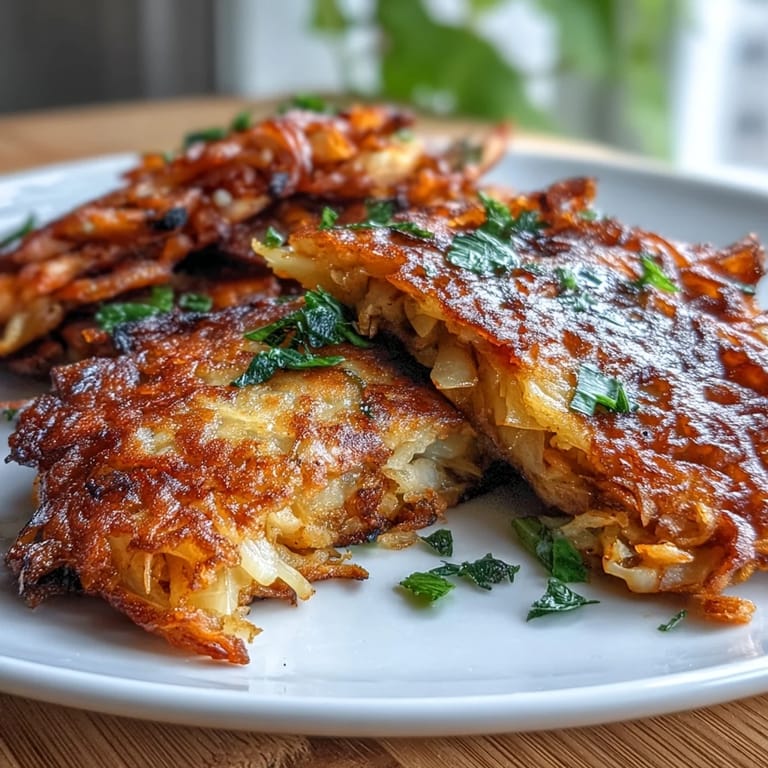
- Ladle about a quarter of the batter into the pan, spreading gently into a 6-inch round; listen for a steady sizzle, which means the heat is just right. Let cook for 2 to 3 minutes per side, flipping when deeply golden and crisp, and repeat with remaining batter, adding oil between batches as needed.
- Whisk together the sauce:
- In a small bowl, stir together soy sauce, rice vinegar, sesame oil, sugar, sesame seeds, garlic, and gochugaru, if using; give it a taste and adjust salt or spice as you like.
- Serve and enjoy:
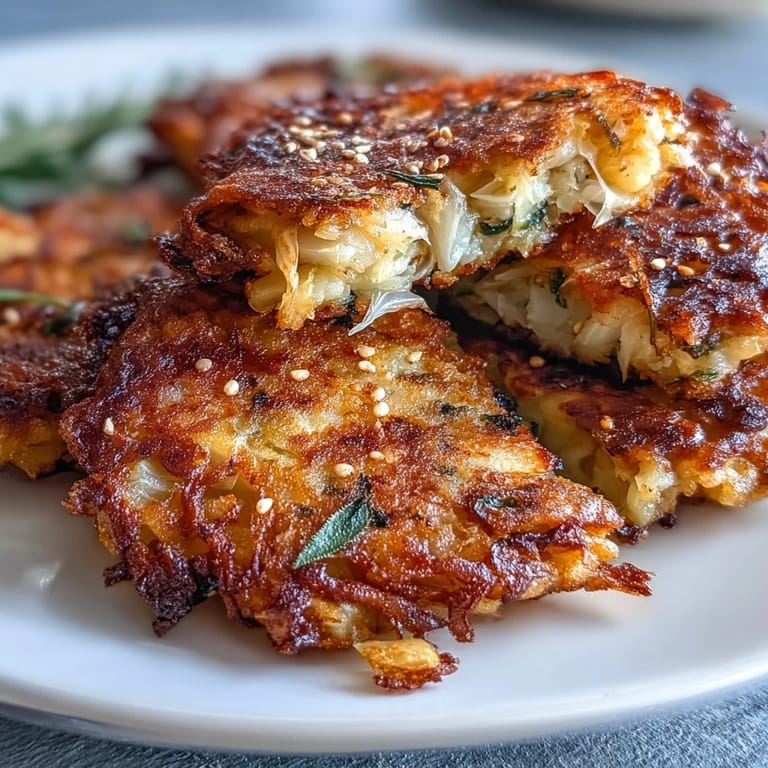
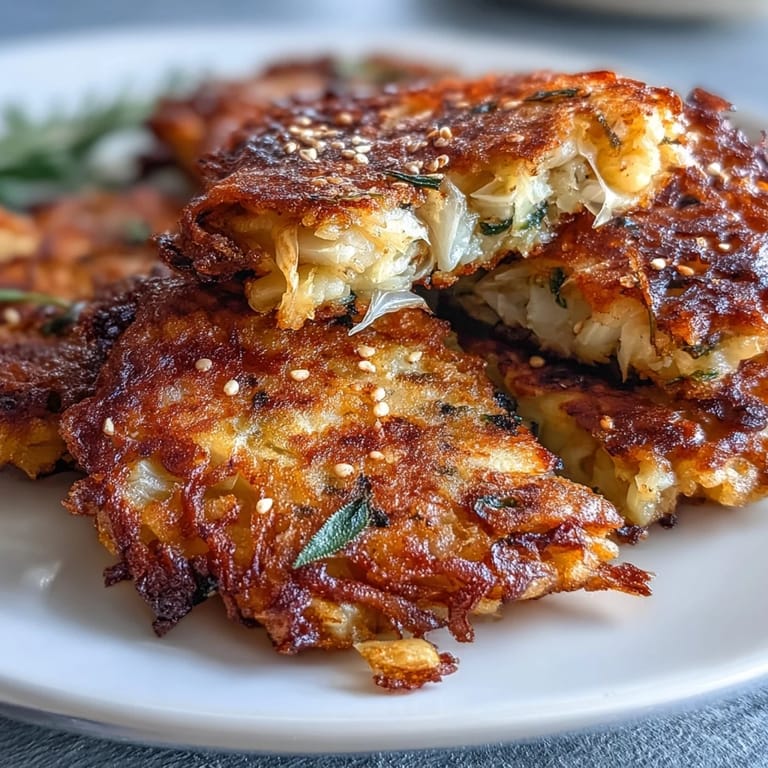
- Cut pancakes into wedges, pile onto a plate, and serve hot with the dipping sauce alongside—watch them disappear.
 Pin this
  Pin this
 These pancakes made their debut at my friend's potluck, where they vanished before the last guest arrived. Someone jokingly fought for the final slice, and later told me they’d never eaten cabbage so happily. It’s small moments like those that make me reach for this recipe again when friends come around.
Getting That Golden Crisp
Maintaining the right oil temperature is half the battle—too hot, and you risk burnt edges before the center cooks; too cool, and they soak up oil. I always test with a small spoonful of batter to check for an enthusiastic sizzle before committing to a full pancake. If you see bubbles right away and a quick sear, you’re set. The skillet shouldn’t be overcrowded either or steam will sneak in and soften things up. Little kitchen tweaks like these can turn an ordinary result into something you brag about.
Customizing the Heat
With kimchi, the spice level is always a bit of a mystery—some batches are fiery, others more mellow. On cooler days, I toss in extra gochugaru to warm things up; in summer, I pull back for a lighter kick. Adding thin-sliced jalapeños or chili crisp to the batter never hurt, either. The dipping sauce is a great place to play with heat if you have heat-shy guests—just set some plain aside and let everyone add their own spice. Pancakes this flexible become a canvas for your mood and pantry.
Making It Vegetarian and Allergy-Friendly
It took a bit of trial and error to craft these with vegan swaps for friends, but a flaxseed egg works well and vegan kimchi is easy to find these days. Gluten-free flour blends also crisp up beautifully with no compromise on crunch. Swapping tamari for soy sauce keeps the dipping sauce gluten-free, and double-checking your kimchi label ensures you don’t sneak in shrimp paste by accident.
- Keep the batter cold for the very best texture.
- Shredded carrots or zucchini can be added for extra veggie goodness.
- Don’t forget to serve these hot—they’re at their best straight from the pan.
 Pin this
  Pin this
 These crispy kimchi pancakes are a surefire way to put leftover veggies and kimchi to work in the most satisfying way. With a quick sear and a bright dipping sauce, every bite is a celebration—enjoy them while hot and crunchy.
Recipe Questions
- → How finely should I slice the cabbage?
Thin slices (about 1/8 inch) fold into the batter easily and cook through quickly, giving a tender interior and crisp edges once pan-fried.
- → Do I need to drain the kimchi?
Yes. Excess liquid can thin the batter and prevent browning. Chop and press kimchi lightly in a sieve or towel to remove extra juice before folding it in.
- → What oil and heat level work best for frying?
Use a neutral oil with a high smoke point (vegetable or canola). Medium-high heat gives a fast sear so the exterior crisps while the interior cooks through; adjust if edges brown too quickly.
- → How can I make these gluten-free or vegan?
Substitute a gluten-free all-purpose flour blend for the flour and use a flax egg (1 tbsp ground flaxseed + 3 tbsp water) and certified vegan kimchi to make a plant-based, gluten-free version.
- → Can I make them ahead and reheat?
Yes. Cool completely, refrigerate in an airtight container up to 2 days, then re-crisp in a skillet over medium heat or bake briefly in a hot oven to restore crunch.
- → What should I serve with the pancakes?
A tangy dipping sauce of soy sauce, rice vinegar, sesame oil and garlic complements the savory pancakes; they also pair well with light beers or crisp white wines.