 Pin this
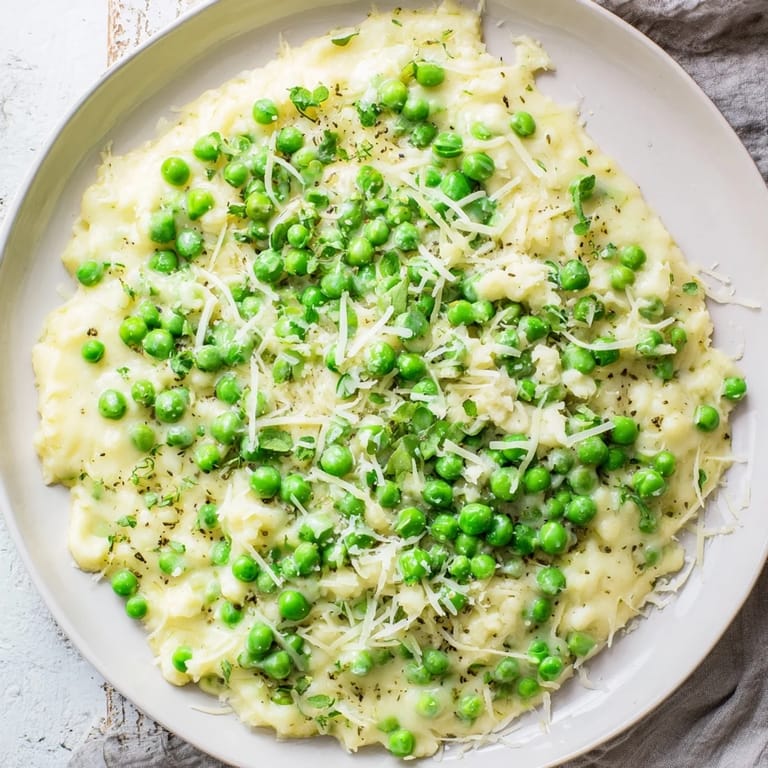
 I stumbled on this dish during a particularly gray Tuesday when the fridge looked bare and inspiration felt miles away. All I had was a box of orzo I'd forgotten about, a bag of frozen peas, and some Parmesan that needed using. What started as improvisation turned into something I now crave on repeat. The way the orzo soaks up that buttery, garlicky broth and turns silky with cream feels like a small luxury you can pull off any night of the week.
The first time I served this to friends, I called it a side dish and set it next to roasted chicken. By the end of the night, the orzo bowl was scraped clean while the chicken sat half-eaten. Someone asked if I'd trained in Italy. I laughed and admitted it was born from pantry desperation, but it became the recipe I'd make again and again whenever I wanted to feel taken care of without much fuss.
Ingredients
- Orzo pasta: These tiny rice-shaped grains cook quickly and absorb flavor like a dream, turning creamy without any need for constant stirring.
- Unsalted butter: The base of the sauce, adding richness and helping the shallots soften into sweet, golden bits.
- Heavy cream: This is what makes the sauce luscious and velvety, coating every piece of orzo in pure comfort.
- Freshly grated Parmesan cheese: Pre-grated stuff doesn't melt the same way, fresh Parmesan brings nutty depth and silky texture.
- Low-sodium vegetable broth: Controls the salt level while adding savory backbone to the dish.
- Whole milk: Thins the broth just enough to cook the orzo evenly without making it too heavy.
- Frozen green peas: Sweet, bright, and always ready in the freezer, they add color and a pop of freshness.
- Shallot: Milder and slightly sweeter than onion, it melts into the sauce and adds subtle complexity.
- Garlic: Just enough to perfume the pan and wake up the butter without overpowering the delicate cream.
- Salt, black pepper, and nutmeg: Simple seasonings that lift everything, nutmeg adds a whisper of warmth that feels almost secret.
- Fresh parsley: A bright finishing touch that makes the whole dish look and taste just a little more special.
Tired of Takeout? 🥡
Get 10 meals you can make faster than delivery arrives. Seriously.
One email. No spam. Unsubscribe anytime.
Instructions
- Soften the shallot:
- Melt the butter in a large skillet over medium heat, then add the chopped shallot and let it sizzle gently for 2 to 3 minutes until it turns soft and translucent. You'll smell the sweetness starting to build.
- Wake up the garlic:
- Stir in the minced garlic and cook for just 30 seconds, letting it release that unmistakable fragrance without burning.
- Toast the orzo:
- Add the orzo to the pan and stir it around for 1 to 2 minutes, toasting the grains lightly. This step adds a nutty depth that makes the finished dish taste more complex.
- Simmer with broth and milk:
- Pour in the vegetable broth and milk, bring everything to a gentle simmer, then lower the heat and cook uncovered for 8 to 10 minutes, stirring often. The orzo will soften and drink up most of the liquid, turning tender and plump.
- Stir in the peas:
- Add the thawed green peas and cook for another 2 to 3 minutes until they're heated through and bright green.
- Finish with cream and cheese:
- Stir in the heavy cream, grated Parmesan, salt, pepper, and nutmeg if using, and keep stirring gently for 2 to 3 minutes until the cheese melts and the sauce turns glossy and creamy. The orzo should look luxurious and cling together beautifully.
- Taste and serve:
- Remove the pan from the heat, taste, and adjust the seasoning if needed. Sprinkle with chopped parsley and serve immediately while it's still steaming and silky.
 Pin this
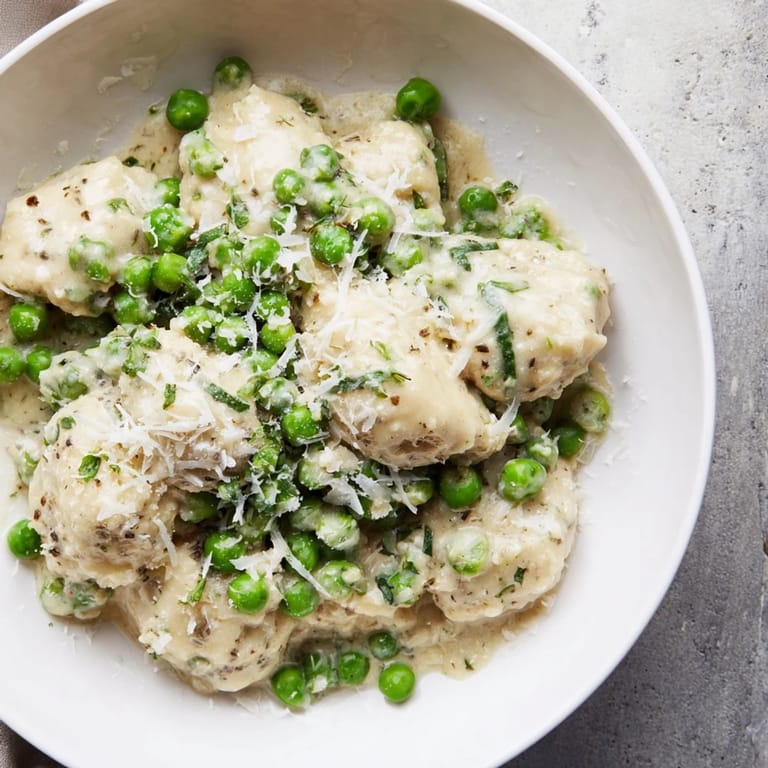
 One evening, I made this for my sister after she'd had a long week, and she ate two bowls without saying much, just humming between bites. Later she texted me asking for the recipe, saying it felt like a hug in a bowl. That's when I realized this dish wasn't just easy, it was the kind of food that makes people feel cared for without you having to say a word.
Serving Suggestions
This orzo is rich enough to stand alone as a light vegetarian main, especially with a crisp green salad on the side and a glass of something cold. It also shines as a side dish next to grilled chicken, seared salmon, or roasted vegetables. I've even served it at a dinner party alongside lamb chops, and it held its own beautifully, soaking up every bit of praise.
Storage and Reheating
Leftovers keep well in an airtight container in the fridge for up to three days, though the orzo will absorb more liquid as it sits. When reheating, add a splash of milk or broth to loosen the sauce and warm it gently on the stovetop, stirring often. The microwave works in a pinch, but the stovetop brings back that creamy, just-made texture much better.
Variations and Swaps
You can swap the peas for baby spinach, which wilts right in at the end, or use blanched asparagus tips for something a little fancier. A squeeze of lemon juice or a splash of white wine stirred in before the cream adds brightness and cuts through the richness. If you want to lighten it up, half-and-half works in place of heavy cream, though the sauce won't be quite as thick.
- Try stirring in some fresh basil or thyme for an herbal twist.
- Add cooked shrimp or shredded rotisserie chicken to make it heartier.
- Use different cheese like Pecorino Romano for a sharper, saltier finish.
 Pin this
 This is the kind of recipe that sneaks into your regular rotation without you noticing, the one you make on a Wednesday when you need something warm and easy, or on a Sunday when you want to impress without breaking a sweat. It's become one of those dishes I can make with my eyes closed, and somehow it still feels special every single time.
Recipe Questions
- → What is the best way to cook orzo for this dish?
Toast the orzo briefly in butter before adding liquids to enhance its nutty flavor. Simmer it gently in broth and milk until tender but still slightly firm to the bite.
- → Can I substitute peas with another vegetable?
Yes, baby spinach or asparagus tips work well as alternatives, added near the end of cooking to retain texture and freshness.
- → How do I achieve a creamy sauce without it curdling?
Stir the cream and Parmesan in slowly over low heat and avoid boiling once the dairy is added to maintain a smooth, velvety sauce.
- → What seasoning enhances the flavors best?
A touch of freshly ground black pepper, salt to taste, and an optional pinch of ground nutmeg complement the rich Parmesan and creaminess beautifully.
- → How can I make this dish richer or lighter?
For richness, add a splash of white wine or lemon juice before the cream. For a lighter version, substitute half-and-half for the heavy cream.