 Pin this
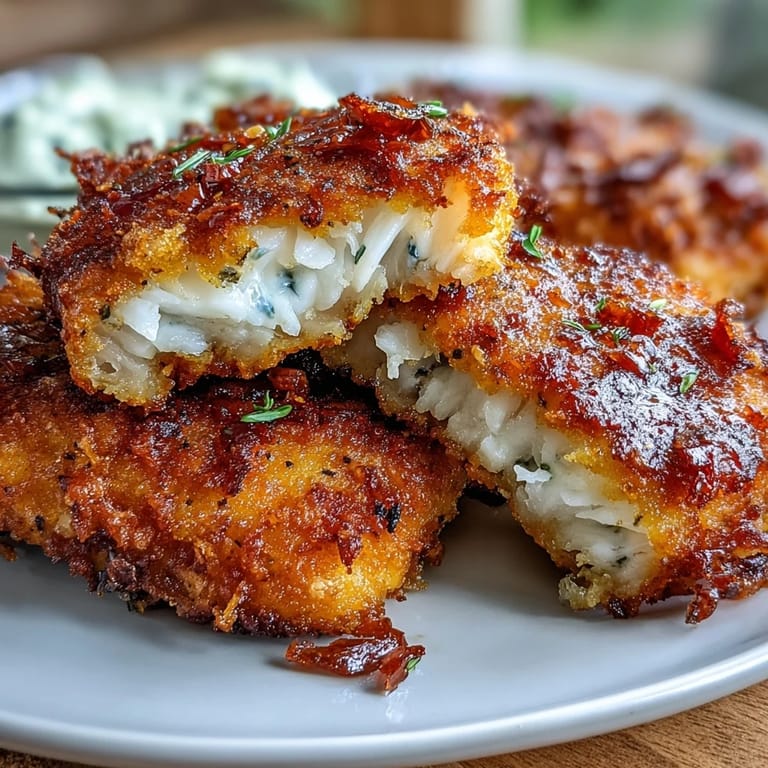
 My uncle's kitchen on a humid Louisiana afternoon smelled like hot oil and cornmeal, the kind of smell that fills your chest before you even taste anything. He'd stand at the stove with a wooden spoon in one hand, adjusting the heat by ear more than anything else, and I'd watch the catfish fillets turn from pale to that perfect burnished gold. That's when I understood that soul food isn't just about following steps—it's about feeling the rhythm of the pan, knowing when the oil is ready, and trusting your instincts enough to fry without fear.
I made this for my partner on a Friday night when they were craving something comforting but special, and the whole apartment transformed into a little Southern kitchen. The sound of the fillets hitting hot oil, that immediate sizzle and pop, felt celebratory somehow—like we were making something that belonged in a real gathering, not just a weeknight dinner. When they took that first bite and closed their eyes, I knew the buttermilk marinade had done its job.
Ingredients
- Catfish fillets: Look for firm, fresh fillets that don't smell fishy—that's the sign of quality and it makes all the difference in the final bite.
- Buttermilk: The acid tenderizes the fish while the coating creates a slight tang that plays beautifully against the spices.
- Hot sauce: Just a teaspoon lifts the whole marinade, adding complexity without overwhelming the delicate fish flavor.
- Yellow cornmeal: This is what gives you that signature crunch and golden color that regular flour alone can't achieve.
- All-purpose flour: Blend it with cornmeal to help the coating adhere and create a more uniform, crispy crust.
- Paprika, garlic powder, onion powder: These three work as a team to build a warm, savory base note that doesn't compete with the fish.
- Cayenne pepper: A half teaspoon is just enough heat to keep things interesting without numbing your palate.
- Vegetable oil: High smoke point is crucial here—you need oil that stays stable at 350°F without breaking down.
- Mayonnaise: The foundation of remoulade, creating richness and helping everything emulsify into a smooth sauce.
- Dijon mustard: Adds sharpness and acts as an emulsifier to keep the sauce silky and cohesive.
- Prepared horseradish: This brings a subtle bite and heat that lingers on the back of your tongue.
- Sweet pickle relish: The sweetness balances all the savory and spicy elements, creating complexity in every spoonful.
- Fresh lemon juice: Brightens everything and prevents the sauce from feeling heavy.
- Smoked paprika: Adds depth and a whisper of smokiness that feels like you're eating food from a real kitchen.
- Fresh parsley: More than decoration, it adds a fresh herbaceous note that ties the whole sauce together.
Tired of Takeout? 🥡
Get 10 meals you can make faster than delivery arrives. Seriously.
One email. No spam. Unsubscribe anytime.
Instructions
- Create the marinade bath:
- Whisk buttermilk and hot sauce together in a shallow dish until fully combined. The buttermilk will relax the muscle fibers of the catfish while the hot sauce seasons it from the inside out.
- Marinate the catfish:
- Submerge your fillets completely and let them sit for at least 15 minutes—this is non-negotiable time for flavor to develop. I usually let mine sit 20 minutes while I prep everything else.
- Build the seasoning blend:
- Mix cornmeal, flour, paprika, garlic powder, onion powder, cayenne, salt, and black pepper in another shallow dish. Stir it thoroughly so the spices are evenly distributed and you get consistent flavor in every bite.
- Heat the oil to perfect temperature:
- Pour about 1 inch of vegetable oil into your skillet or Dutch oven and bring it to 350°F—use a thermometer, not a guess. The oil should shimmer and move easily, but it shouldn't be smoking.
- Coat each fillet:
- Lift fillets from buttermilk one at a time, letting excess drip back into the dish so you're not adding too much moisture to the hot oil. Press the fillet gently into the cornmeal mixture, turning once to coat both sides evenly and help the crust adhere.
- Fry until golden and crispy:
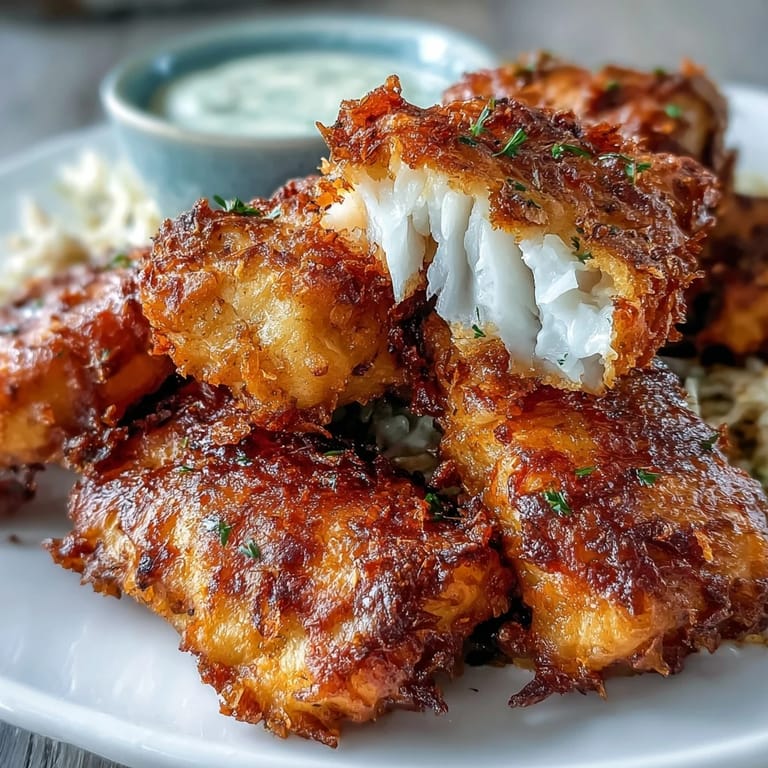
- Place fillets carefully into the hot oil—they should sizzle immediately, which tells you the temperature is right. Fry for 3 to 4 minutes per side, watching for that deep golden brown color that means the coating is set and the fish is cooked through.
- Drain and rest:
- Transfer fried fillets to a paper towel-lined plate immediately so the residual heat stops the cooking and the towels absorb excess oil. This moment of rest is when the coating sets and becomes truly crispy.
- Make the remoulade while fish rests:
- Combine mayonnaise, Dijon mustard, horseradish, hot sauce, pickle relish, lemon juice, minced garlic, smoked paprika, and parsley in a bowl. Taste it and adjust salt and pepper—it should taste bright and a little spicy, with each ingredient recognizable but working as one.
- Serve immediately:
- Plate the hot catfish with the cool remoulade sauce on the side so it stays vibrant and doesn't soften the crust. The temperature contrast is part of what makes this dish so satisfying.
 Pin this
 There's a moment after the first person at the table takes a bite when you realize this isn't just food anymore—it's a conversation starter, a comfort, a small act of generosity on a plate. My grandmother once told me that good soul food cooking is about putting care into the details so people know they matter, and every crispy edge and balanced spoonful of remoulade is exactly that.
The Double Dip Secret
If you want extra crunch that rivals any restaurant version, return each fillet to the buttermilk after the first dredge, let it drip, and dredge again in the cornmeal mixture. This creates layers of coating that fry up impossibly crunchy while still protecting the delicate fish inside from overcooking. I learned this trick by accident when I dropped a half-coated fillet back into the buttermilk, and now it's deliberate every time.
What to Serve Alongside
Creamy grits are the natural partner here—their smoothness balances the crunch and the remoulade's brightness perfectly. Coleslaw adds freshness and cuts through the richness, while hush puppies turn dinner into something celebratory and complete. I've also served this with roasted vegetables when I wanted something lighter, but honestly, the carbs feel right with this dish.
Substitutions and Variations
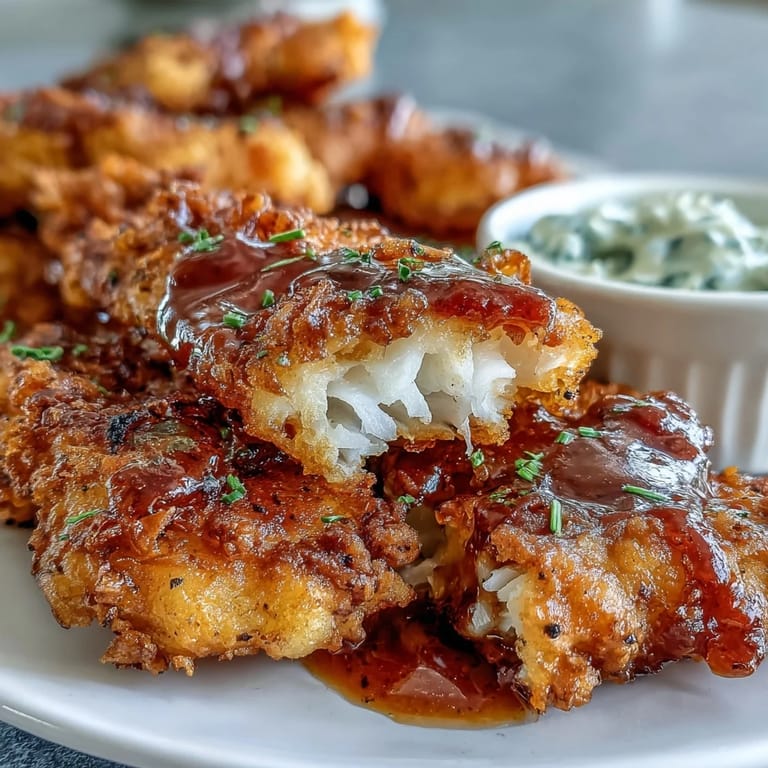
Catfish is traditional, but tilapia works beautifully if catfish isn't available or feels less accessible to you. Cod gives you a slightly milder flavor and firmer texture—still delicious, just a different character entirely. The remoulade stays the same no matter what fish you choose, and that's what ties everything together.
- If you can't find prepared horseradish, fresh grated horseradish root adds even more punch and intensity to the sauce.
- Swap sweet pickle relish for dill pickle relish if you prefer something more savory and less sweet in your remoulade.
- Fresh cilantro or chives can replace parsley for a different herbaceous note, though parsley is the classic choice.
 Pin this
 This recipe is proof that food made with attention and care becomes something people remember. Serve it with warmth and confidence, because you're giving people more than just dinner—you're giving them a moment.
Recipe Questions
- → How do I get the catfish extra crispy?
Double-dip the fillets by dipping them again in buttermilk and cornmeal mixture before frying for added crunch.
- → Can I use other fish instead of catfish?
Yes, tilapia or cod work well with this seasoning and cooking method.
- → What oil is best for frying catfish?
Use vegetable oil or any neutral oil with a high smoke point to achieve a perfect golden crust.
- → How long should I marinate the fish?
Marinate catfish fillets in buttermilk and hot sauce for at least 15 minutes to tenderize and add flavor.
- → What does remoulade sauce consist of?
It's a tangy sauce made from mayonnaise, Dijon mustard, horseradish, hot sauce, pickle relish, lemon juice, garlic, smoked paprika, and fresh parsley.