 Pin this
 It’s funny how a stray ingredient in the fridge can set the mood for dinner. The first time I found a half-used tub of gochujang sitting beside my butter, I didn’t picture a pasta night. But curiosity in the kitchen tends to reward the brave. I couldn’t resist melting them together, and the aroma—rich, buttery heat with a sweet, garlicky edge—sent me spinning into a whole new realm of weeknight dinners. Sometimes, what’s on hand is all the inspiration you need.
Last spring, I made this dish for a couple of friends after a long hike, and the kitchen turned into a cheerful mess—steam from the pasta, the sharp pop of garlic in butter, a flurry of questions about what made the sauce so satisfying. Even after I admitted the secret was the Korean chili paste, they kept asking for seconds. I think the biggest compliment was the silence that followed the first bite.
Ingredients
- Spaghetti or linguine: Sturdy pasta helps the luxurious sauce coat each bite, so don’t skimp on quality, and remember to salt your water well.
- Unsalted butter: Butter softens the heat and carries the umami; let it fully melt before adding garlic for the best aroma.
- Gochujang: This Korean chili paste gives everything sweet, spicy, and savory depth—don’t be afraid to adjust for your heat preference.
- Garlic: Minced fresh, it balances bite with fragrance; keep the heat moderate so it sizzles but doesn’t brown.
- Soy sauce: Just enough for a salty backbone—low-sodium or classic both work.
- Honey or maple syrup: A touch of sweetness rounds out the spice; I reach for honey when I want a cozy note, maple for a subtler backdrop.
- Pasta water: The starchy liquid is liquid gold for binding the sauce and giving it that glossy finish.
- Spring onions: Their fresh crunch makes a cheery garnish, and the greens look vibrant against the fiery sauce.
- Toasted sesame seeds: Nutty sprinkles add a little crunch; toast them briefly in a dry pan for bigger flavor.
- Black pepper: Freshly ground pepper adds bite and fragrance to finish—crack it liberally over the top.
Tired of Takeout? 🥡
Get 10 meals you can make faster than delivery arrives. Seriously.
One email. No spam. Unsubscribe anytime.
Instructions
- Boil and prep:
- Bring a big pot of salted water to a bubbly boil, immersing the pasta until it’s tender with a bite. Don’t forget to scoop out some pasta water before draining; it’ll make your sauce sing.
- Start the sauce:
- In a wide skillet, melt the butter over medium heat—listen for that gentle sizzle—then toss in garlic and let it bloom until it smells irresistible but stays pale.
- Blend in flavor:
- Spoon in the gochujang, soy sauce, and honey, stirring until the mix looks glossy and unified—just a minute makes all the difference.
- Bring it together:
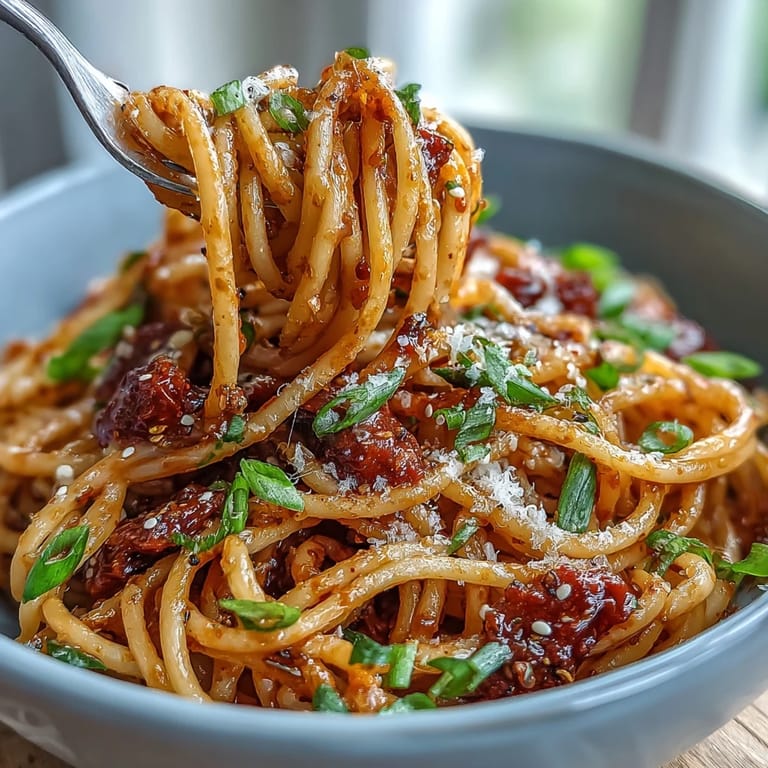
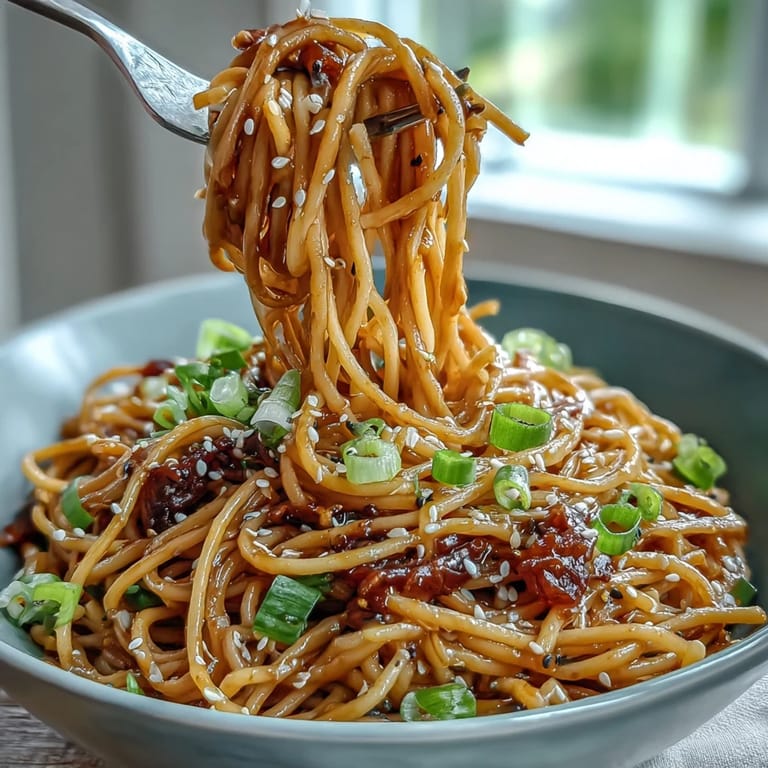
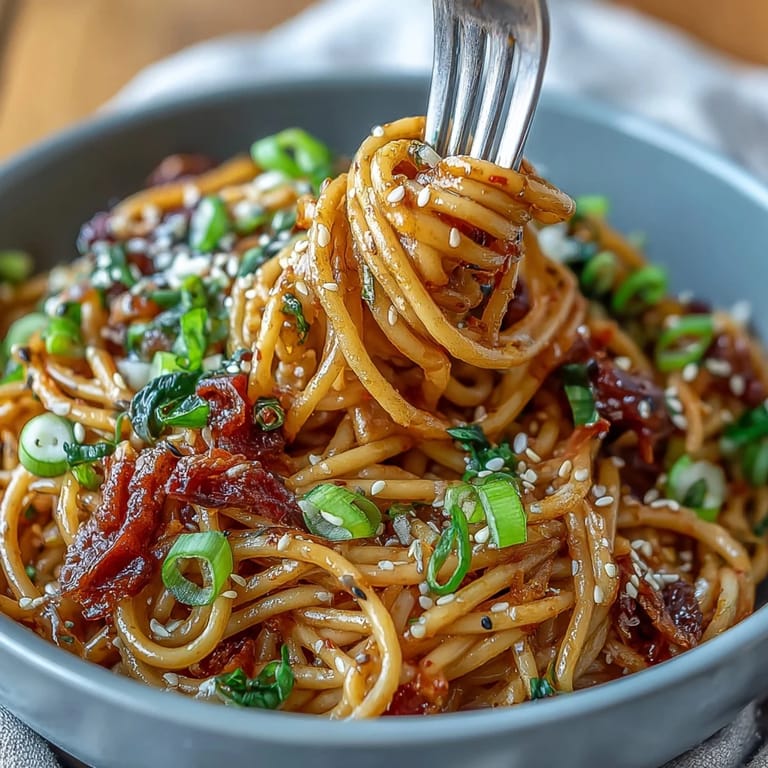
- Tumble the drained pasta into the sauce, adding your reserved water, and toss impatiently until every noodle is slick and glossy red.
- Garnish and serve:
- Divide the pasta into bowls, shower with spring onions, a scattering of sesame seeds, and generous black pepper. Serve immediately while the sauce is clinging and warm.
 Pin this
 The night this pasta made it to our table during a thunderstorm, we ended up eating cross-legged on the floor, trading stories between each spicy-sweet forkful. It turned a dreary evening into something unexpectedly bright—proof that comfort food doesn’t need to be predictable.
How to Make It Extra Satisfying
If the mood strikes, toss in a handful of sautéed mushrooms, wilted spinach, or even soft squares of tofu right as the sauce comes together. The richness of the base works with any veggie craving or protein fix, and every time I do it, the dish turns out just a bit different. Adding an extra component is like a choose-your-own-adventure, only tastier.
Adapting for Every Table
This recipe has seen all sorts of tweaks for friends with dietary needs—vegan butter and maple syrup in place of honey means everyone can join in. Swapping in gluten-free pasta and tamari keeps the sauce’s spirit alive for those avoiding wheat. Be sure to double-check bottled sauces for hidden allergens to keep things safe and joyful around the table.
Keeping Things Simple (and Delicious)
Most nights, I love that this recipe doesn’t have me juggling pans or watching a timer like a hawk. Just keep everything within arm’s reach, taste as you go, and trust that even a little mess will be worth it. The real trick is to not overthink—let the butter bubble and the pasta soak up the spicy sauce.
- Add a soft-boiled egg for extra richness if you want to impress yourself.
- Leftovers heat up beautifully in a pan with a splash of water—just as good the next day.
- Don’t forget to toast your sesame seeds; the aroma is the best reward.
 Pin this
 Whether you’re shaking off a long day or sharing with good company, this gochujang butter pasta always brings a burst of joy. Here’s to simple, lively dinners that wake up your weeknight routine in the best way.
Recipe Questions
- → Can I adjust the heat level?
Yes. Reduce gochujang for milder heat or add a touch more honey or maple syrup to balance spice. A sprinkle of chili flakes will increase heat if desired.
- → How do I get a glossy, clingy sauce?
Reserve pasta cooking water and add it gradually while tossing; the starch helps emulsify butter and gochujang into a glossy coating that adheres to the pasta.
- → What are good add-ins for more texture or protein?
Sautéed mushrooms, wilted spinach, crispy tofu, or a soft-boiled egg make great additions. Add cooked ingredients to the skillet before tossing to marry flavors.
- → How should leftovers be stored and reheated?
Cool quickly and refrigerate in an airtight container for up to 2 days. Reheat gently in a skillet with a splash of water or stock to revive the sauce's silkiness.
- → Can I use different noodles?
Yes. Linguine, spaghetti, or even short pasta like penne work well; adjust cooking time to reach al dente so the sauce clings properly.
- → Any tips for making it dairy-free?
Swap unsalted butter for a plant-based alternative and use maple syrup instead of honey. Check labels on gochujang and soy sauce for vegan suitability.