 Pin this
 My sister called me three days before Mother's Day in a mild panic, asking if I could bring brunch to her place instead of the restaurant we'd booked. She wanted something homemade, something that felt like we'd actually tried. I hung up the phone and immediately thought of quiche, that French bistro staple that somehow feels both effortless and impressive at the same time. The first time I made one, I was convinced it would be complicated, but it turned out to be one of those rare dishes where the ingredients do most of the work for you.
That Mother's Day morning, I brought the quiche straight from my oven to hers, and I watched my mom take the first bite with that look people get when they're genuinely surprised by how good something tastes. She had seconds, which she never does. My brother asked for the recipe, which meant more to me than any compliment, because he's the kind of person who only asks for recipes he'll actually make.
Ingredients
- Ready-made pie crust (9-inch): Using a store-bought crust is not cheating, it's wisdom, and it saves you the stress of tempering butter and worrying about whether your dough is too warm.
- Asparagus (1 cup, cut into 1-inch pieces): Fresh asparagus gives the quiche a delicate vegetal quality that frozen simply can't match, and the quick blanch keeps it from releasing too much water into the custard.
- Shallot (1 small, finely diced): A shallot is more gentle and sweet than an onion, and it softens into the custard so quietly you almost forget it's there.
- Eggs (5 large): The eggs are your custard base, so use the freshest ones you can find, and make sure they're at room temperature for a smoother mixture.
- Whole milk (3/4 cup) and heavy cream (1/4 cup): The combination of both creates a custard that's rich without being heavy, and the ratio matters more than you'd think.
- Brie cheese (5 oz, rind removed): Brie melts into the custard like butter, adding a subtle earthiness that regular cheddar simply doesn't have; remove the rind before cubing so it distributes evenly.
- Salt, black pepper, and nutmeg: The nutmeg is optional but essential if you want that classic French bistro flavor that makes people wonder what your secret ingredient is.
Tired of Takeout? 🥡
Get 10 meals you can make faster than delivery arrives. Seriously.
One email. No spam. Unsubscribe anytime.
Instructions
- Get the crust ready:
- Preheat your oven to 375°F and press the pie crust into a 9-inch tart or pie pan, pricking the base gently with a fork so it doesn't puff up too much. This small step prevents a soggy bottom, which is the difference between a quiche that impresses and one you're embarrassed to serve.
- Blind bake with protection:
- Line the crust with parchment paper and fill it with pie weights or dried beans, then bake for 10 minutes. Remove the weights and parchment, and bake another 5 minutes until the crust is just starting to turn golden and feels set; you're not fully baking it yet, just setting the structure.
- Blanch the asparagus quickly:
- While the crust bakes, bring a pot of salted water to a boil and drop in your asparagus pieces for exactly 2 minutes, then drain and spread them on a plate to cool. This brief blanch softens them just enough while keeping them bright green and preventing them from weeping liquid into your quiche.
- Build the custard:
- Whisk together the eggs, milk, cream, salt, pepper, and nutmeg in a bowl until the mixture is completely smooth and homogeneous. Take your time with this step because lumps in the custard will bake into your quiche and ruin the silky texture.
- Layer thoughtfully:
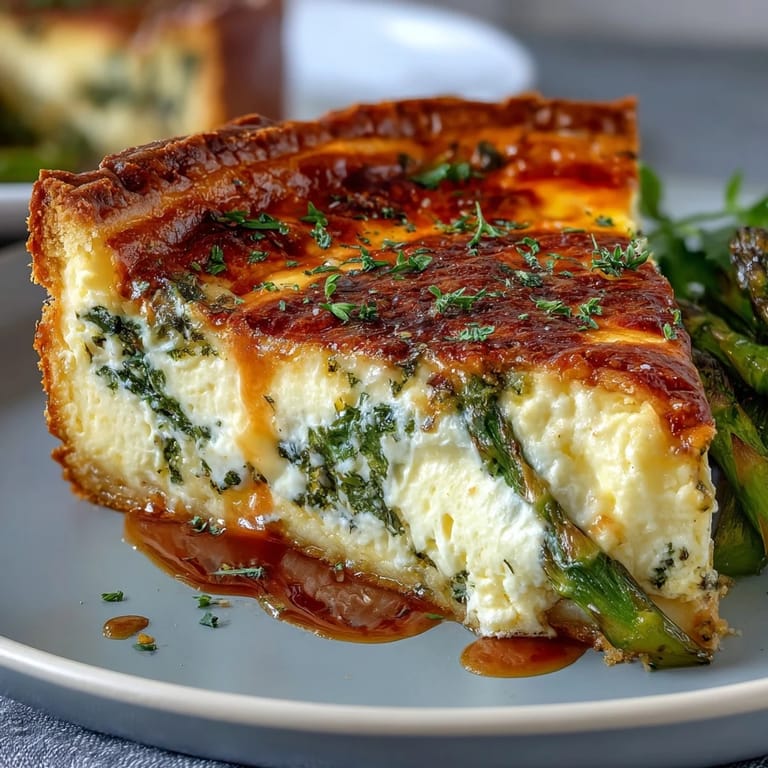
- Scatter the diced shallot and half of the asparagus across the partially baked crust, pour the custard mixture over them, then arrange the remaining asparagus pieces and Brie cubes on top so they're visible and evenly distributed. This layering method ensures every slice gets some of everything.
- Bake until just set:
- Slide the quiche into the oven and bake for 30 to 35 minutes, watching for when the edges are puffed and golden but the very center still has a slight jiggle when you gently shake the pan. This is the moment you pull it out, because a quiche continues to cook as it cools, and overcooked quiche becomes rubbery.
- Let it rest:
- Remove the quiche from the oven and let it sit at room temperature for at least 10 minutes before slicing, which allows the custard to set completely and makes serving much easier. Slice it into wedges while it's still warm, and you'll see that creamy Brie has melted into every bite.
 Pin this
 That Mother's Day, I realized that sometimes the most meaningful meals are the ones where you show up with something you've made yourself, even if it's technically simple. My mom kept the leftover quiche in her fridge and told me she'd been eating it for lunch all week, reheating it gently in a low oven so it stayed soft. That's when I knew I'd found the right recipe to bring back again and again.
Why This Works as a Brunch Dish
Quiche exists in that beautiful middle ground between breakfast and lunch, fancy enough to feel like celebration but approachable enough that you're not stressed while making it. It's also the kind of dish that tastes just as good at room temperature as it does warm, which means you can make it in the morning and serve it hours later without any fuss. The combination of vegetables, cheese, and eggs feels balanced and nourishing, and it pairs perfectly with a simple salad and a glass of something sparkling.
Making It Your Own
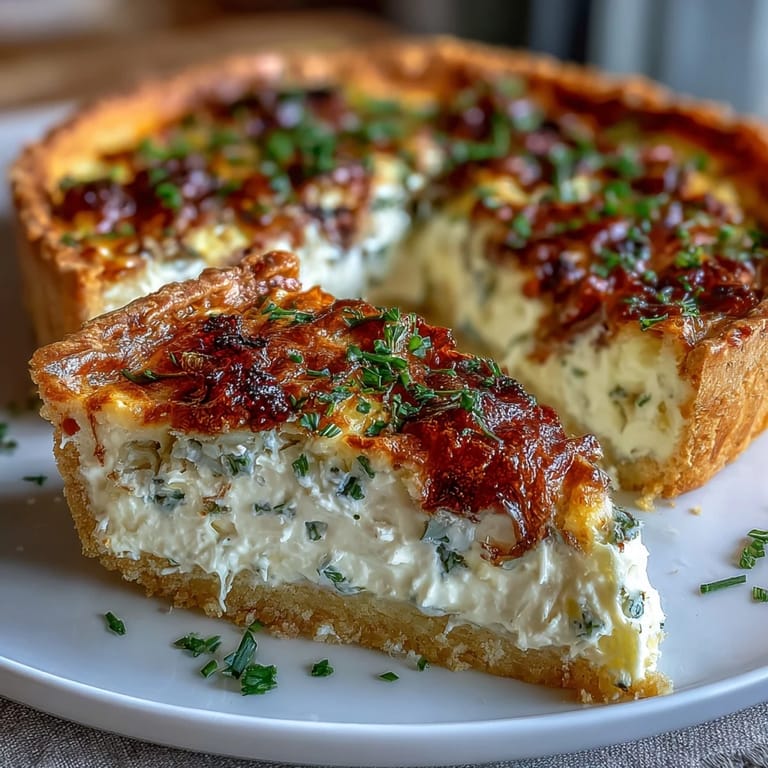
The beauty of quiche is that it's a template, not a rule, and you can swap ingredients based on what you have or what you're craving. I've made versions with fresh herbs like chives or dill stirred into the custard, added roasted red peppers, used sharp cheddar instead of Brie, or replaced asparagus with broccoli or mushrooms. The technique stays exactly the same, and you still get that impressive result that makes people lean back in their chair and ask for the recipe.
Serving and Storing
Serve the quiche warm or at room temperature with a simple green salad dressed lightly with lemon vinaigrette, and pour sparkling wine or fresh orange juice alongside for a proper brunch moment. Leftovers keep beautifully in the refrigerator for three days, and you can reheat slices gently in a 300°F oven for about 10 minutes until warmed through, or simply eat them cold straight from the fridge when you need an easy lunch.
- Make it the day before if you want to reduce morning stress; just cover it well and reheat gently before serving.
- If you're cooking for someone with dietary restrictions, this base recipe is naturally vegetarian and easily adapted to gluten-free with the right crust.
- Always let it rest before slicing, or you'll end up with scrambled-looking pieces instead of clean, elegant wedges.
 Pin this
 This quiche became my answer to the question of what to bring when you want to feel thoughtful without feeling frazzled. It's the kind of dish that turns a regular Sunday breakfast into a moment people remember.
Recipe Questions
- → How should I prepare asparagus for this dish?
Blanch the asparagus in boiling salted water for 2 minutes, then drain and set aside. This keeps them tender but crisp.
- → Can I make the crust from scratch?
Yes, homemade shortcrust pastry works great if you prefer over store-bought pie crust.
- → What is the best way to prevent a soggy bottom crust?
Blind bake the crust with pie weights or dried beans to partially cook it and maintain crispness before adding fillings.
- → Can I add fresh herbs to enhance the flavor?
Adding chives, dill, or other fresh herbs can bring a fresh note and complement the creamy Brie and asparagus.
- → How do I know when the dish is done baking?
Bake until the center is just set and the top turns lightly golden, typically about 30 to 35 minutes.