 Pin this
 My first encounter with miso glazed eggplant happened on a quiet Tuesday evening when a friend brought takeout from a small Japanese spot downtown. One bite of that caramelized, silky eggplant and I was convinced there must be some kitchen magic involved. Years later, I discovered the magic was simply patience and a good glaze—nothing more, nothing less. Now I make it regularly, and it's become the dish I reach for when I want something that feels both humble and impressive.
I cooked this for my partner on a random weeknight when we both needed something that felt special but didn't require hours in the kitchen. The smell of the eggplant roasting mixed with that fermented miso aroma filled our entire apartment, and by the time it came out of the broiler, we were both hovering near the counter like hungry birds. That's when I realized this dish does something unexpected—it turns a simple vegetable into something that commands attention.
Ingredients
- Japanese eggplant: These are thinner and more delicate than their globe cousins, with fewer seeds and a silkier texture when roasted. If you can't find them, small Italian eggplants work in a pinch, though you may need to adjust roasting time slightly.
- White miso paste: This is gentler and slightly sweeter than red miso, which matters because you want that glaze to caramelize rather than burn. Buy it from the Asian section or online—it keeps in the fridge for months.
- Mirin: This sweet rice wine adds depth without tasting sugary. If you don't have it, a splash of honey mixed with a tiny bit of water can substitute, though the flavor won't be quite as complex.
- Sake: A dry rice wine that brightens the glaze and prevents it from feeling one-dimensional. Don't use cooking sake if you can help it—the real stuff makes a difference.
- Sugar: Just a touch to round out the sweetness and help the glaze caramelize under the broiler.
- Sesame oil: Use the toasted kind for maximum flavor impact. A little goes a long way, and it's what gives this dish its distinctive Japanese character.
- Toasted sesame seeds: These add a nutty finish and crucial texture contrast to the soft eggplant flesh.
- Green onions: A bright, fresh note that cuts through the richness of the glaze.
Tired of Takeout? 🥡
Get 10 meals you can make faster than delivery arrives. Seriously.
One email. No spam. Unsubscribe anytime.
Instructions
- Get your oven ready:
- Preheat to 400°F and line a baking sheet with parchment paper. This simple step prevents sticking and makes cleanup almost enjoyable.
- Prepare the eggplants:
- Slice each eggplant in half lengthwise, then score the flesh in a crosshatch pattern without cutting through to the skin. This helps the eggplant cook evenly and absorb flavors better.
- Season and roast:
- Brush the cut sides lightly with sesame oil, place them cut-side up on the baking sheet, and roast for 20 to 25 minutes until the flesh is completely tender and golden at the edges. You'll know it's ready when a fork glides through without resistance.
- Make the glaze:
- While the eggplant roasts, whisk together miso paste, mirin, sake, sugar, and the remaining sesame oil in a small bowl until completely smooth. Taste it as you go—the balance of salty, sweet, and umami should feel harmonious.
- Glaze and broil:
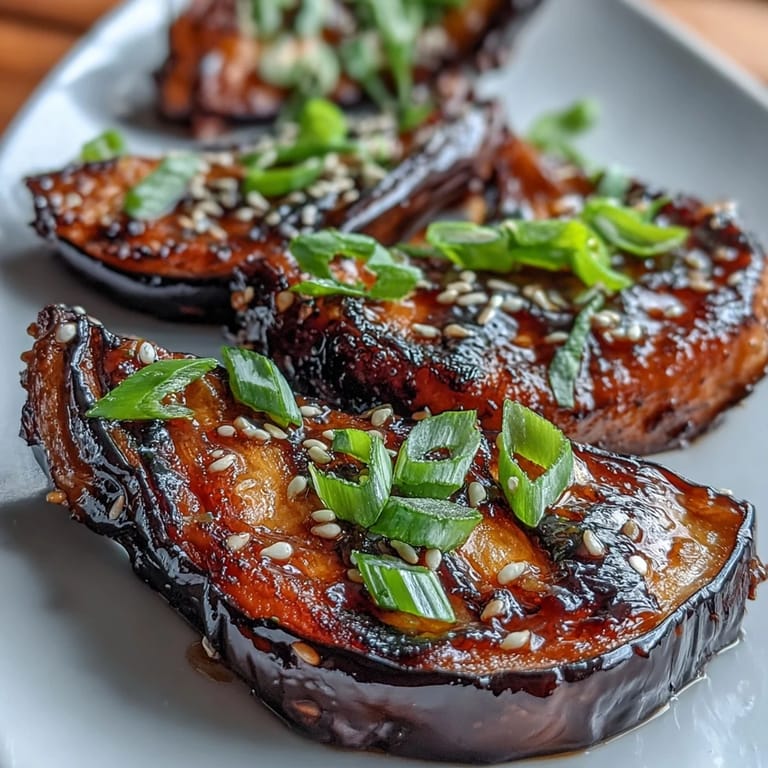
- Remove the roasted eggplants from the oven and spread a generous, even layer of miso glaze over each cut side. Switch the oven to broil and cook for 2 to 3 minutes, watching carefully because the glaze can go from caramelized to burnt in seconds.
- Finish and serve:
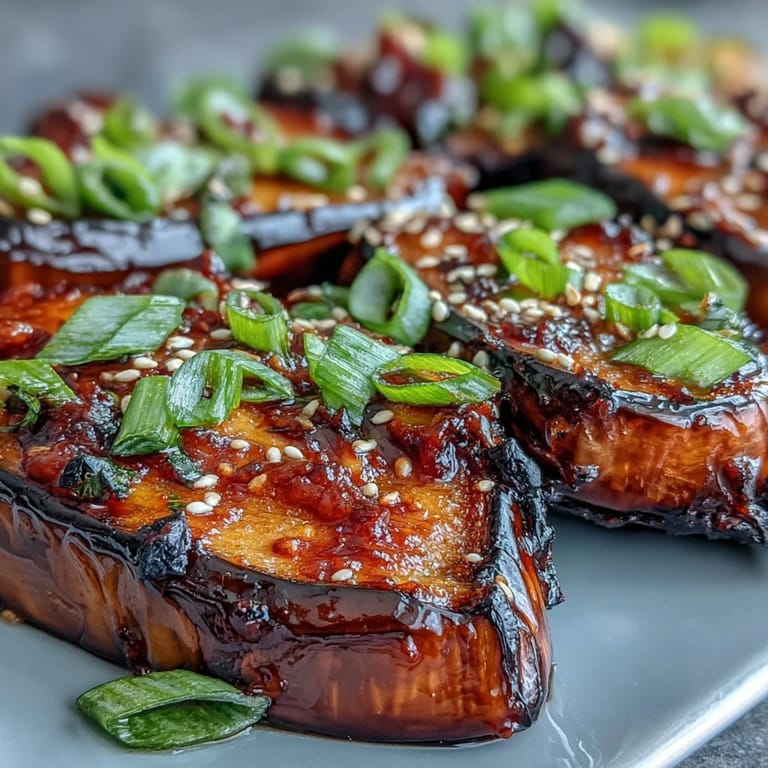
- Pull the eggplants out immediately once the glaze bubbles and darkens slightly. Sprinkle generously with toasted sesame seeds and sliced green onions, then serve while still warm.
 Pin this
 There was a moment while making this dish on a winter evening when my kitchen felt warm and alive in a way that fancy gadgets could never create. The simple act of transforming raw eggplant into something glossy and complex reminded me why I love cooking in the first place—it's about patience, attention, and trusting that good ingredients will reward you.
Choosing Your Eggplants
Japanese eggplants are noticeably thinner and longer than their globe counterparts, almost delicate looking in comparison. When you shop for them, look for ones with unblemished, glossy skin and slight give when gently pressed—never rock hard. I learned the hard way that buying sad, wrinkled eggplants at the end of the day results in a less silky final texture, so picking them out fresh makes all the difference in the world.
The Miso Glaze Magic
The glaze is where this dish truly comes alive, and getting the balance right takes just a bit of attention. White miso is your foundation because it's naturally milder and slightly sweet, creating a glaze that caramelizes rather than burns under the broiler. I once made the mistake of using red miso and ended up with something bitter and harsh, which taught me that this seemingly small choice actually shapes the entire dish.
Serving and Pairing Ideas
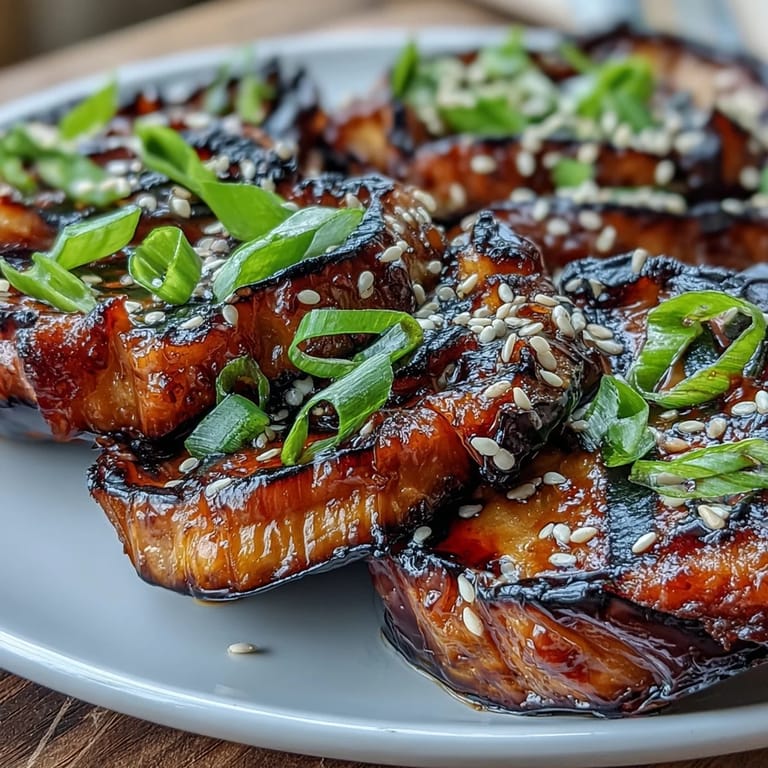
This eggplant shines brightest when served warm, ideally alongside steamed white or brown rice and perhaps a simple miso soup or fresh cucumber salad. It works equally well as a vegetarian main course or as part of a larger Japanese-inspired meal with other small plates. The umami depth pairs beautifully with mild sides that don't compete for attention.
- Serve it immediately after broiling while the glaze is still glistening and the eggplant is at its silkiest.
- Leftover eggplant can be reheated gently in a 300°F oven and tastes surprisingly good the next day, though the texture becomes slightly softer.
- This recipe doubles easily if you're feeding a crowd, just give yourself a bit more time under the broiler to ensure even caramelization.
 Pin this
 This dish has become my go-to when I want to prove that vegetable cooking can be exciting and deeply satisfying. There's something beautiful about how a few simple Japanese ingredients can transform something ordinary into something unforgettable.
Recipe Questions
- → What type of eggplant works best?
Japanese or Asian eggplants are ideal due to their thinner skin, fewer seeds, and tender flesh that becomes silky when roasted. Italian globe eggplants can be substituted but may require longer cooking time.
- → Can I make this gluten-free?
Yes, use certified gluten-free miso paste and ensure your sake and mirin are gluten-free varieties. Many traditional brands contain wheat, so always check labels carefully.
- → How do I store leftovers?
Store in an airtight container in the refrigerator for up to 3 days. Reheat gently in a 350°F oven for 10-12 minutes to restore the caramelized texture. The glaze may soften slightly but flavors remain excellent.
- → Can I prepare the glaze ahead?
Absolutely! Mix the glaze ingredients up to 1 week in advance and store refrigerated in a sealed jar. The flavors will actually meld and improve over time. Bring to room temperature before using.
- → What can I serve with miso glazed eggplant?
Pair with steamed jasmine rice, soba noodles, or quinoa for a complete meal. Also excellent alongside grilled fish, tofu, or as part of a Japanese-inspired spread with pickled vegetables and miso soup.