 Pin this
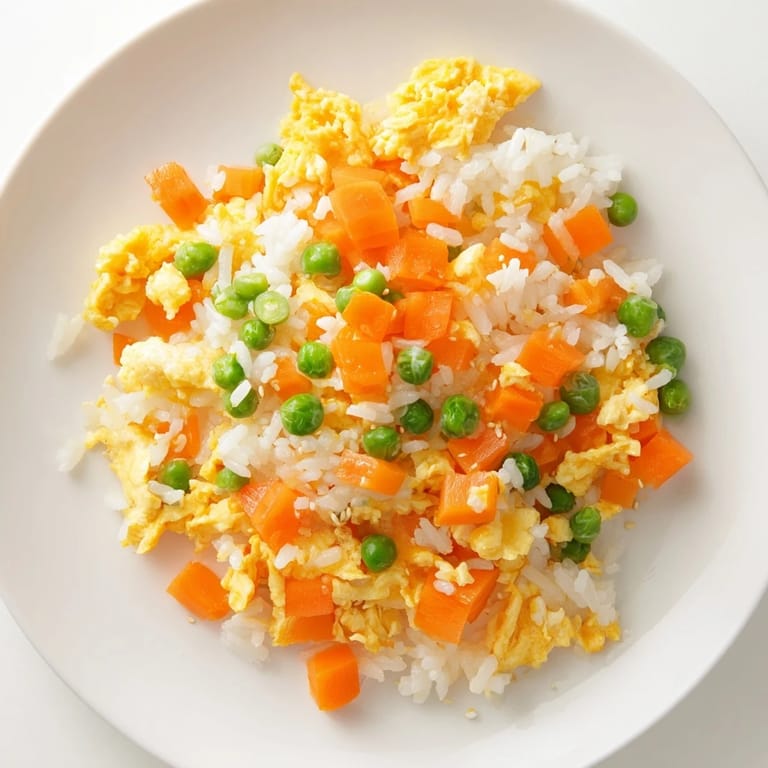
 There's something about the sound of rice hitting a hot wok that makes me feel like I'm actually cooking instead of just reheating leftovers. I discovered this one Tuesday night when I had half a container of day-old rice staring at me from the fridge and absolutely nothing in the mood for takeout. Two eggs, some vegetables I found in various corners of the crisper drawer, and fifteen minutes later, I had something so satisfying that I started planning my rice portions specifically so I could make this again. It became the go-to proof that you don't need fancy ingredients or a lot of time to eat really well.
I made this for a friend who was stressed about midterms and living on instant noodles, and watching her actually taste-test it and ask for the "recipe" felt oddly validating. She called it "emergency good food," which I think is the highest compliment a weeknight dinner can get.
Ingredients
- Cooked leftover rice (2 cups, preferably day-old and cold): This is non-negotiable—day-old rice has dried out just enough that it won't turn into a clumpy mess when it hits the heat, and cold rice separates better in the pan.
- Large eggs (2): They're your binder and your protein, so don't skip them or substitute; beat them in a bowl before cooking so they scramble evenly.
- Diced carrots (1/2 cup): They add sweetness and texture, and I always dice them small so they actually cook through in the short time we're stir-frying.
- Frozen peas (1/2 cup, thawed): Keep them in the freezer—they're always available and they cook in seconds, so thaw them ahead or toss them in at the last second.
- Chopped scallions (1/4 cup): Green onions are worth it here because they brighten everything up, and using some raw at the end matters.
- Diced bell pepper (1/2 cup, optional): This one's flexible—add it if you have it, skip it if you don't, and the dish still works.
- Soy sauce (2 tablespoons): Use the regular kind unless you're avoiding sodium; it's the backbone of the whole flavor.
- Sesame oil (1 teaspoon): A little goes a long way, and it's what makes this taste like fried rice and not just warm rice with eggs.
- Ground white or black pepper (1/4 teaspoon): White pepper is more traditional, but honestly I use whatever I have open.
- Vegetable oil (2 tablespoons): Any neutral oil works—peanut, canola, whatever heats without smoking.
- Salt (to taste, optional): Add it if the soy sauce alone feels a little flat.
Tired of Takeout? 🥡
Get 10 meals you can make faster than delivery arrives. Seriously.
One email. No spam. Unsubscribe anytime.
Instructions
- Set yourself up to move fast:
- Dice your carrots and bell pepper, thaw your peas if they're frozen, chop your scallions, and beat your eggs in a small bowl. Having everything ready means you're not hunting for a knife mid-stir-fry.
- Get the eggs out of the way:
- Heat 1 tablespoon of oil in a large skillet or wok over medium-high heat until it's shimmering, then pour in the beaten eggs and scramble them quickly until they're just set but still slightly soft. Push them to a plate and set them aside—they'll finish cooking when we add them back.
- Soften your harder vegetables:
- Add the remaining 1 tablespoon of oil to the same pan, then add the carrots and bell pepper. Stir them around for about 2 minutes until they soften just enough that you can bite through them without resistance.
- Add the quick-cooking vegetables:
- Toss in your thawed peas and about half of the scallions, stirring everything for 1 minute so they warm through and start to smell amazing.
- Add the rice and break up any clumps:
- Pour in your cold rice and use a spatula to break it apart as it hits the pan. Stir-fry for 2 to 3 minutes, pressing the spatula against the bottom occasionally so the rice gets a little toasted and separates into individual grains.
- Make it taste like fried rice:
- Drizzle the soy sauce and sesame oil over everything and toss it around for about 30 seconds until the whole pan smells savory and nutty and the liquid is absorbed.
- Bring the eggs back home:
- Return the scrambled eggs to the pan and stir everything together for another minute, making sure the egg pieces are distributed throughout and everything is hot. Taste it and add pepper and salt if it needs it.
- Finish and serve:
- Turn off the heat, sprinkle the remaining raw scallions on top, and serve it straight from the pan while it's steaming.
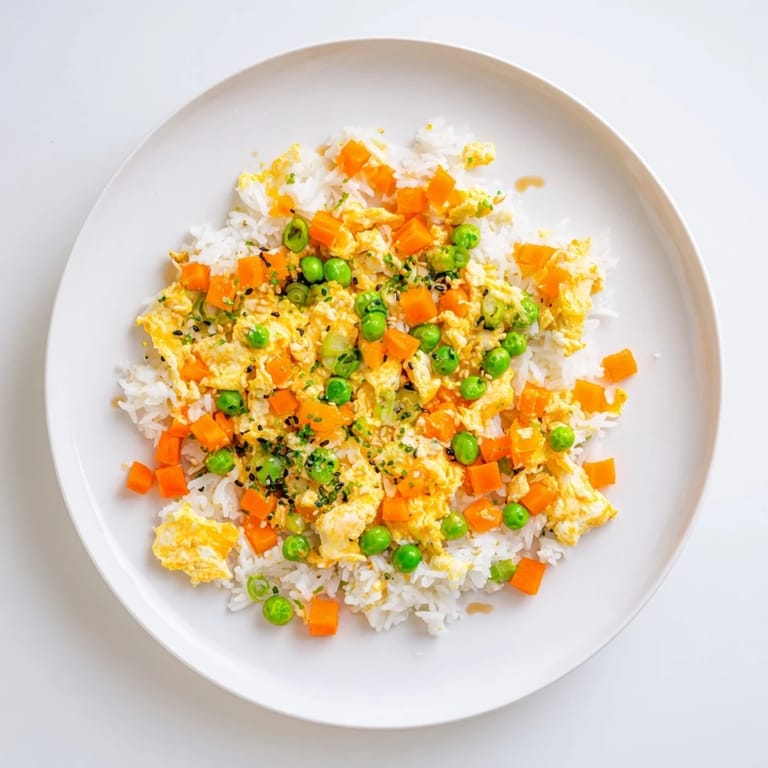 Pin this
 The first time I served this to someone who had never had homemade fried rice, they were surprised that something this good came together in a dorm kitchen with a single hot plate. That's when I realized this recipe isn't just convenient—it's actually proof that simple, fast food and real, satisfying food don't have to be different things.
Why Cold Rice Matters
I learned this the hard way by trying to make fried rice with hot rice fresh off the stove, and it turned into a gummy mess that I had to throw away. The moisture in warm rice steams everything together into a sticky blob, but cold rice has already dried out slightly, so when it hits the hot pan, the grains stay separate and actually get a little crispy on the edges. This is one of those situations where taking time to do the prep work—or planning ahead by cooking rice the day before—actually saves you time and disappointment later.
Building Flavor Without Fuss
The combination of soy sauce and sesame oil is doing almost all the heavy lifting here, and there's something beautiful about that. You could add minced garlic or ginger while sautéing the vegetables, or a splash of rice vinegar, or even a drizzle of hot sauce, but honestly, I usually don't because the basics work so well. Once you nail the fundamental version, you'll understand how to adjust it without overthinking it.
Making It Your Own
This recipe is honestly just a template, and the vegetables are completely flexible depending on what's in your kitchen or what you're in the mood for. I've made it with broccoli, corn, snap peas, mushrooms, zucchini, and honestly, it's been good every single time. If you want to add protein beyond the eggs, cooked chicken, shrimp, or tofu all disappear beautifully into a pan of fried rice.
- Swap whatever vegetables you have for the ones listed here—frozen or fresh both work.
- Add cooked protein like shrimp, chicken, or tofu if you want something more substantial.
- A pinch of minced garlic or ginger while sautéing vegetables adds a layer of flavor if you feel like it.
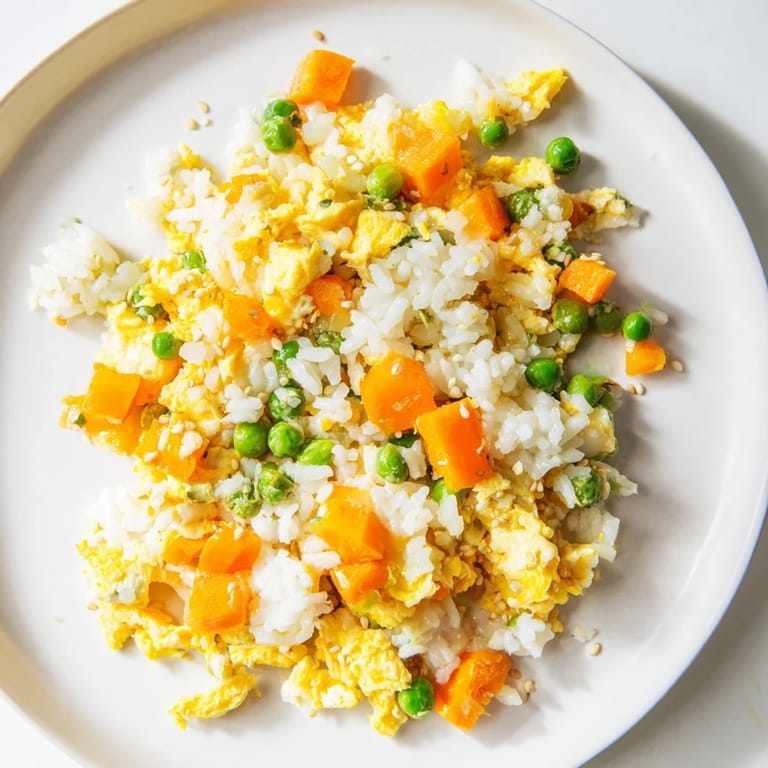 Pin this
 This is the kind of recipe that lives in your back pocket, waiting for nights when you need something real but you're too tired to think. It's been a lifesaver more times than I can count.
Recipe Questions
- → Can I use freshly cooked rice instead of leftover rice?
It's best to use day-old rice because it's drier and prevents clumping, but freshly cooked rice can be spread out and cooled to remove moisture before stir-frying.
- → What vegetables work well in this dish?
Carrots, peas, scallions, and bell peppers are classic choices, but you can also add corn, snap peas, or broccoli for extra texture and flavor.
- → How can I make this dish vegan-friendly?
Omit the eggs and consider adding tofu or extra vegetables. Use vegetarian soy sauce to keep it fully plant-based.
- → What is the best oil for stir-frying here?
Vegetable oil or other neutral oils like canola or peanut work well, while sesame oil is added for flavor toward the end of cooking.
- → How do I prevent the eggs from overcooking?
Scramble eggs quickly over medium-high heat until just set, then remove them from the pan before stir-frying other ingredients.