 Pin this
 Black currant panna cotta found me on a rainy afternoon at a small Italian market, where the vendor was enthusiastically describing how his grandmother made this dessert every summer. I'd never worked with black currants before, but something about the way he talked about that deep purple color and the tart-sweet balance made me want to try it that evening. The first spoonful was a revelation: silky, elegant, and somehow both simple and special all at once.
I made this for a dinner party where I was nervous about impressing someone's visiting Italian aunt, and honestly, it was the dessert that saved the evening. When she took that first bite, she closed her eyes and smiled, then asked if I'd learned to cook in Piedmont. I hadn't, but right then, standing in my small kitchen, it didn't matter.
Ingredients
- Heavy cream: Two cups of the richest cream you can find creates that signature silky texture—don't skimp here because this is where all the magic happens.
- Whole milk: This lightens the cream just enough so the panna cotta doesn't feel heavy, while still keeping it luxurious.
- Granulated sugar: Half a cup sweetens the base gently; you want the black currant flavor to shine through, not compete with sweetness.
- Powdered gelatin: Just enough to set the mixture without making it rubbery—the texture should jiggle slightly on the spoon.
- Cold water: Blooming the gelatin first prevents lumps and ensures a silky finish.
- Pure vanilla extract: One teaspoon adds depth and keeps the panna cotta from tasting one-dimensional.
- Fresh or frozen black currants: These tart berries are the star; frozen works beautifully and is often easier to find than fresh.
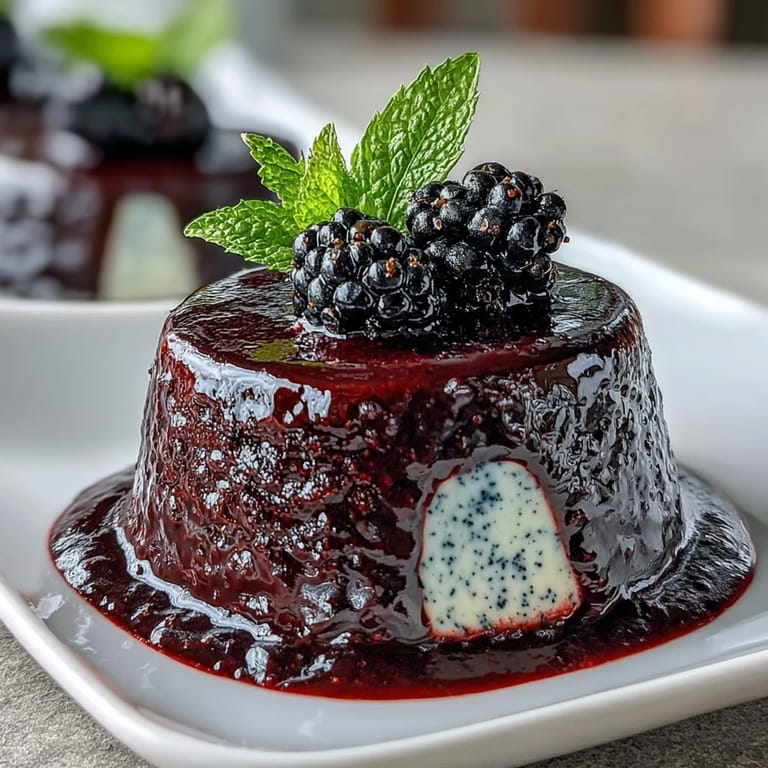
- Black currant jam or preserves: The optional glaze adds a glossy finish and intensifies the berry flavor at the end.
Tired of Takeout? 🥡
Get 10 meals you can make faster than delivery arrives. Seriously.
One email. No spam. Unsubscribe anytime.
Instructions
- Bloom the gelatin:
- Sprinkle powdered gelatin over cold water in a small bowl and let it sit for five minutes until it looks like wet sand. This step might seem small, but it prevents lumpy gelatin later.
- Warm the cream mixture gently:
- Combine heavy cream, milk, and sugar in a medium saucepan over medium heat, stirring occasionally until the sugar dissolves completely. You want it steaming and fragrant, never boiling—boiling will affect the gelatin's setting ability.
- Dissolve the gelatin:
- Remove the cream from heat, then whisk in the bloomed gelatin and vanilla extract until every trace of graininess is gone. The warmth of the cream will dissolve the gelatin perfectly if you whisk steadily.
- Prepare the black currant puree:
- In a separate small saucepan, combine black currants, three tablespoons sugar, and two tablespoons water over medium heat, then simmer for five to seven minutes until the berries burst and release their juice. The mixture will smell incredible—deep, tart, and intensely fruity.
- Strain and combine:
- Pour the hot berry mixture through a fine sieve, pressing gently on the solids to extract every drop of juice and color. Whisk this strained puree into the warm cream mixture slowly so the color blends evenly throughout.
- Chill until set:
- Pour the mixture into four lightly greased ramekins or dessert glasses and let it cool to room temperature first, then refrigerate for at least four hours until the panna cotta jiggles slightly but holds its shape. This long chill is essential and honestly allows you to relax because the hard work is done.
- Add the optional glaze:
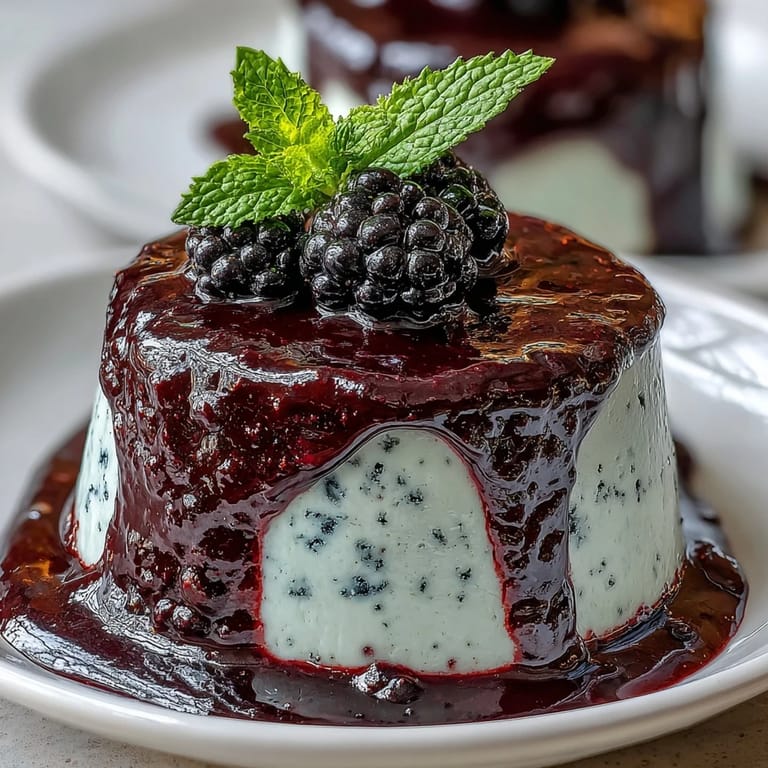
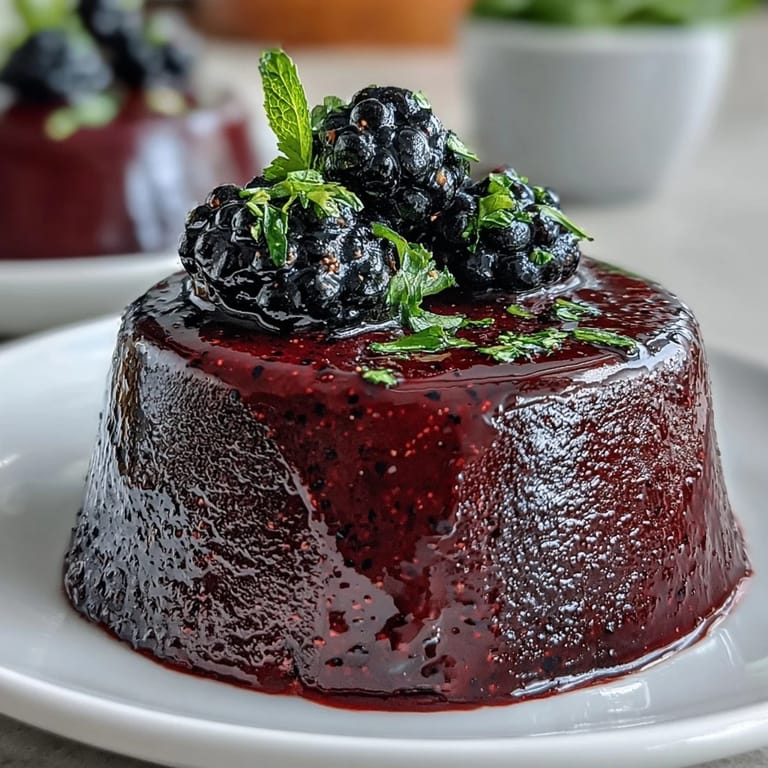
- If using the glaze, warm black currant jam with one tablespoon water over low heat until smooth, let it cool slightly, then spoon a thin layer over each chilled panna cotta just before serving. This adds a beautiful glossy finish and an extra burst of flavor.
 Pin this
 There's a quiet moment in every dinner party where everyone stops talking and just eats, and that moment belonged entirely to this panna cotta. My aunt leaned back and said something in Italian I didn't understand, but the joy on her face told me everything I needed to know.
Why Black Currants Matter Here
Black currants are tart and earthy in a way that raspberries and strawberries simply aren't, which is precisely why they transform a basic panna cotta into something memorable. They're also less sweet than other berries, so they won't turn this dessert into a sugar bomb—instead, they create a sophisticated balance between the rich cream and bright fruit flavor that keeps you coming back for another spoonful.
The Texture is Everything
The magic of panna cotta lies entirely in how it jiggles and melts on your tongue; it should never be stiff or rubbery. I learned this the hard way once when I added too much gelatin trying to be safe, and the result was more rubber than custard. Now I use just enough to hold the shape, knowing that at room temperature it will soften further, becoming almost liquid luxury the moment it touches your mouth.
Making It Your Own
This recipe is flexible enough to bend to what you have on hand or what you're craving on any given evening. I've made it with blueberries when black currants weren't available, and while the flavor profile shifted slightly, it was still stunning. The beauty is that any tart berry or even a combination of berries will work, as long as you keep the proportions roughly the same.
- If you can't find black currants, blackberries or blueberries make excellent substitutes and cook in the same time.
- For an even deeper color, add just one drop of natural purple food coloring to the black currant mixture before straining.
- Serve with fresh berries on top or a small dollop of lightly whipped cream for extra indulgence.
 Pin this
 This is the kind of dessert that makes people think you spent all day in the kitchen when really you just learned a simple technique and trusted it to work. That's the whole gift of panna cotta: elegance without exhaustion.
Recipe Questions
- → What does panna cotta taste like?
Panna cotta has a delicate, creamy texture similar to custard but lighter and silkier. The black currant variation offers a perfect balance between the rich, sweet cream base and the tart, fruity notes from the berries.
- → Can I make this dessert ahead of time?
Absolutely. Panna cotta actually benefits from being made 1-2 days in advance, as the flavors have time to meld and the texture becomes even more silky. Keep covered in the refrigerator until ready to serve.
- → What can I substitute for black currants?
Blackberries or blueberries work wonderfully as substitutes. They provide similar depth of flavor and beautiful color, though the tartness level may vary slightly.
- → Why did my panna cotta not set properly?
This usually happens if the gelatin wasn't fully bloomed or if the mixture was boiled after adding gelatin. Ensure gelatin blooms for 5 minutes in cold water, and never boil the cream mixture once gelatin is added.
- → How do I unmold panna cotta perfectly?
Dip the ramekin briefly in warm water for 5-10 seconds, run a thin knife around the edge, then invert onto a serving plate. If it sticks, give it a gentle shake or tap the bottom.
- → Is this dessert gluten-free?
Yes, when prepared with gluten-free ingredients, this panna cotta is naturally gluten-free. Always verify that any store-bought jam or preserves used for the glaze are certified gluten-free.