 Pin this
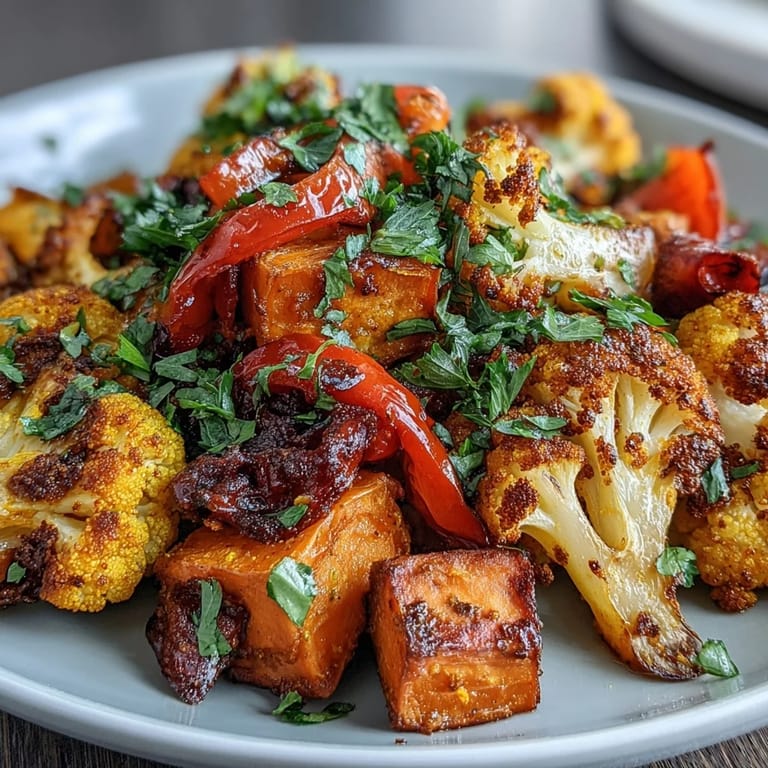
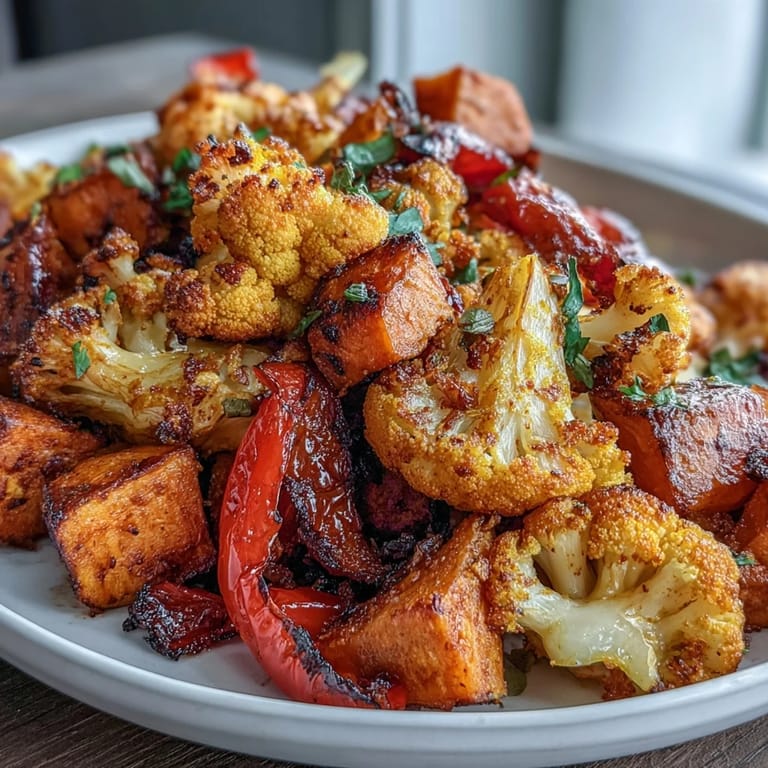
 There's something about the smell of turmeric hitting a hot oven that makes my kitchen feel like a wellness sanctuary. My friend mentioned offhandedly that she'd started roasting vegetables with turmeric to help with inflammation from her yoga practice, and I was skeptical until I tried it—the golden spice transforms humble vegetables into something that tastes both indulgent and genuinely good for you. The beauty of this dish is how simple it is, yet how it manages to feel intentional and nourishing at the same time.
I made this for a potluck once where everyone was stressed about their health, and watching people go back for thirds of a vegetable side dish was genuinely satisfying. One guest asked if I'd added honey because she couldn't believe it was actually good for her—that moment felt like winning the kitchen lottery.
Ingredients
- Cauliflower and broccoli florets: These sturdy cruciferous vegetables hold their shape beautifully during roasting and develop those addictive golden, crispy edges.
- Sweet potato and carrots: Their natural sweetness balances the earthy spices and creates little caramelized pockets of flavor.
- Red bell pepper and red onion: The pepper adds brightness while the onion becomes soft and almost jammy when roasted.
- Extra-virgin olive oil: Don't skimp here—it's what helps everything crisp up and carries the spice flavors beautifully.
- Ground turmeric: The star of the show with genuine anti-inflammatory properties, though honestly it's just delicious too.
- Cumin, coriander, and smoked paprika: Together they create warmth and depth without overpowering the vegetables themselves.
- Sea salt and black pepper: These aren't an afterthought—they're what actually make you taste everything else.
- Lemon juice and fresh herbs: The finish that wakes everything up and adds a brightness that makes you want another bite.
Tired of Takeout? 🥡
Get 10 meals you can make faster than delivery arrives. Seriously.
One email. No spam. Unsubscribe anytime.
Instructions
- Get your oven ready:
- Preheat to 425°F and line your baking sheet with parchment paper so there's zero cleanup stress later. This temperature is hot enough to caramelize the vegetables without drying them out.
- Prep and combine:
- Cut all your vegetables into roughly bite-sized pieces—they don't need to be perfect, just consistent enough that everything finishes cooking at the same time. Toss them together in a large bowl.
- Make your spice blend:
- Whisk together the oil and all those gorgeous spices in a small bowl until it looks like golden paste. This step matters because it ensures every vegetable gets coated, not just the ones on top.
- Coat everything evenly:
- Pour the spice mixture over your vegetables and toss thoroughly—use your hands if you need to, it's actually the fastest way. You want no pale vegetables left behind.
- Spread and roast:
- Arrange everything in a single layer on your baking sheet and slide it into the oven. After about 12-15 minutes, give everything a stir so the pieces touching the pan rotate, then roast for another 12-15 minutes until golden and tender.
- Finish with brightness:
- Pull the pan out, let it cool for just a minute, then drizzle with lemon juice and scatter fresh cilantro or parsley on top. This final step is what makes people ask for the recipe.
 Pin this
 My mom tried this at dinner and said it was the first time she actually looked forward to eating vegetables without feeling virtuous about it. That's when I knew I'd stumbled onto something that bridges the gap between food that's good for you and food that actually tastes like you want it.
Why Turmeric Is Worth Your Time
Turmeric gets talked about a lot in wellness circles, and I used to roll my eyes until I actually noticed the difference in how I felt after eating meals with it regularly. Beyond that, the flavor is warm and slightly bitter in a way that deepens everything around it—it's not just health theater, it's genuinely delicious when paired with the right spices. The key is pairing it with black pepper and a little fat, which helps your body actually absorb the good compounds, so this recipe isn't just tasty, it's optimized.
Seasonal Vegetables and How to Swap
The beauty of roasted vegetables is that they work with whatever your market or garden gives you at any given moment. Brussels sprouts get creamy when roasted, zucchini becomes almost meaty, and butternut squash turns into caramel—all of them respond beautifully to this spice blend. Winter root vegetables like parsnips and beets are stunning this way, and in summer you can toss in asparagus or green beans, just watch them closely since they cook faster.
Serving and Storage Ideas
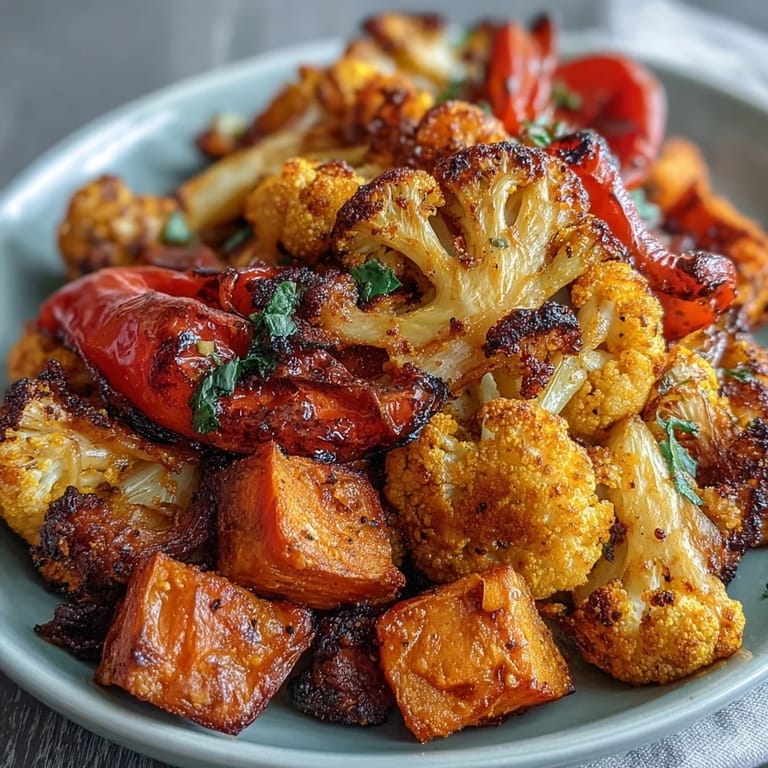
I've served this warm as a side, at room temperature on a grain bowl, and straight from the fridge as a snack, and it works in every situation. The flavors actually deepen as it sits, which makes it perfect for meal prep—I've made a big batch on Sunday and eaten it throughout the week.
- Serve over quinoa or brown rice with a dollop of coconut yogurt for a complete meal.
- Pack it cold for lunch or eat it warm as a side to grilled tofu or fish.
- Drizzle with extra lemon juice and add a handful of greens to turn it into a salad.
 Pin this
 This dish changed the way I think about weeknight side dishes, turning something I used to see as an obligation into something I genuinely crave. Make it once and I promise you'll come back to it again and again.
Recipe Questions
- → What vegetables work best for turmeric roasting?
Cauliflower, broccoli, sweet potato, carrots, bell peppers, and red onion roast beautifully with turmeric. You can also add Brussels sprouts, zucchini, or butternut squash based on seasonal availability.
- → How do I prevent vegetables from becoming soggy?
Spread vegetables in a single layer on the baking sheet without overcrowding. This allows proper air circulation for even roasting and caramelization. Avoid using too much oil—a light coating is sufficient.
- → Why add black pepper to turmeric vegetables?
Black pepper contains piperine, which enhances curcumin absorption from turmeric by up to 2000%. This simple addition maximizes the anti-inflammatory benefits while adding a subtle heat.
- → Can I prepare these vegetables ahead of time?
Yes, chop and season the vegetables up to 24 hours in advance. Store them in an airtight container in the refrigerator, then roast when ready to serve. Leftovers keep well for 3-4 days.
- → What pairs well with these roasted vegetables?
Serve over quinoa, brown rice, or farro for a complete meal. They also complement grilled proteins, work in grain bowls, or can be folded into wraps with hummus and fresh greens.
- → How do I know when the vegetables are done?
Vegetables should be tender when pierced with a fork and have golden, lightly crisped edges. The roasting time may vary slightly depending on the size of your vegetable pieces.